
Carl Jung: At a Glance
Name: Carl Gustav Jung
Lifespan: 1875–1961
Origin: Switzerland
Area of Expertise: Psychiatry, psychology, analytical psychology
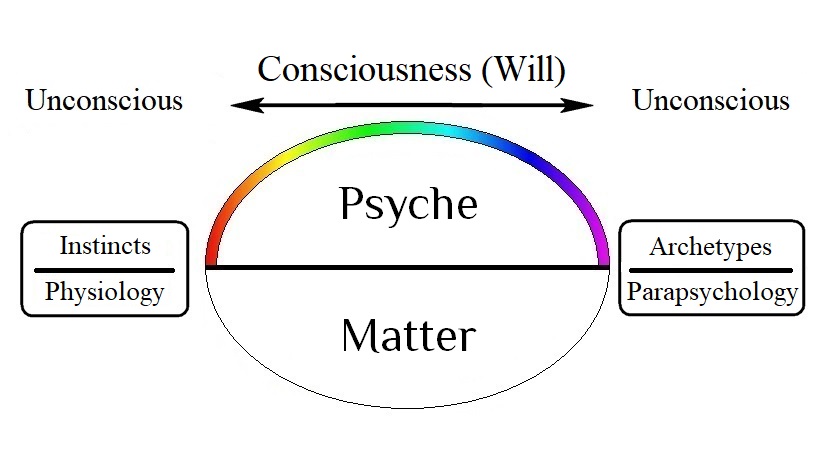
Global Impact: Carl Jung, a pioneering Swiss psychiatrist and the founder of analytical psychology, left an indelible mark not only on the field of psychiatry but also on diverse disciplines such as philosophy, anthropology, literature, and religious studies. His groundbreaking concepts, including the collective unconscious, archetypes, the process of individuation, and synchronicity, have fundamentally reshaped our comprehension of the human psyche and its intricate connection to the world around us.
The Formative Years
Born in 1875 in Kesswil, Switzerland, Carl Gustav Jung’s early life was steeped in religious tradition. His father, Paul Achilles Jung, served as a pastor in the Swiss Reformed Church, while his mother, Emilie Preiswerk Jung, hailed from a family deeply rooted in religious beliefs. Jung himself characterized his childhood as one of solitude and introspection. This fostered a vibrant inner world filled with intense dreams and imaginative fantasies, elements he would later delve into within his psychological frameworks.
Jung’s academic journey commenced in Basel, where he pursued medicine. While initially captivated by archaeology and philosophy, he ultimately chose medicine, aiming to specialize in psychiatry. He drew significant inspiration from philosophers like Kant and Schopenhauer, and his fascination with the occult and spiritual occurrences played a vital role in sculpting his overall perspective.
A defining moment in Jung’s development occurred in Jung’s development occurred in Burghölzli, a psychiatric clinic in Zurich. Under the mentorship of Eugen Bleuler, Jung immersed himself in the study of schizophrenia and other mental disorders. It was during this time that he began to formulate his own distinct theories about the structure and dynamics of the human psyche, gradually diverging from the prevailing Freudian psychoanalytic framework.
The Collaboration and Divergence with Freud
Jung’s intellectual trajectory took a significant turn when he encountered Sigmund Freud, the founder of psychoanalysis. Initially, Jung became a fervent disciple of Freud, embracing his theories about the unconscious mind and the significance of dream interpretation. Their collaboration flourished for several years, with Jung even being designated as Freud’s “crown prince” and heir apparent within the psychoanalytic movement.
However, as Jung delved deeper into his own research and clinical practice, fundamental differences in their perspectives began to emerge. Jung increasingly questioned Freud’s emphasis on sexuality as the primary driving force behind human behavior. He also challenged Freud’s concept of the unconscious, arguing that it encompassed not only repressed personal experiences but also a deeper, collective layer shared by all humanity.
Key Differences in Theory
- The Unconscious: Freud viewed the unconscious as primarily a repository of repressed desires and traumatic memories. Jung expanded this concept to include the collective unconscious, a universal and inherited reservoir of archetypes and primordial images.
- Libido: Freud defined libido as primarily sexual energy. Jung broadened the definition to encompass all forms of psychic energy and creative life force.
- Emphasis: Freud focused on the past and the impact of early childhood experiences. Jung emphasized both the past and the future, believing that individuals are driven by a desire for wholeness and self-realization.
These irreconcilable differences ultimately led to a painful but inevitable split between Jung and Freud, marking a pivotal moment in the history of psychology. Following the separation, Jung embarked on his own independent path, founding analytical psychology as a distinct school of thought.
Core Concepts of Analytical Psychology
Analytical psychology, as developed by Carl Jung, offers a unique and comprehensive framework for understanding the human psyche. Several key concepts underpin this approach:
- The Collective Unconscious: A universal and inherited layer of the unconscious mind, containing archetypes and primordial images shared by all humanity.
- Archetypes: Universal, symbolic patterns of behavior and imagery that reside within the collective unconscious. Common archetypes include the Self, the Shadow, the Anima/Animus, and the Persona.
- Individuation: A lifelong process of psychological development and self-realization, involving the integration of conscious and unconscious aspects of the personality.
- The Persona: The social mask or public image that individuals present to the world.
- The Shadow: The unconscious and often repressed aspects of the personality, including negative or undesirable traits.
- The Anima/Animus: The contrasexual aspects of the personality. The Anima represents the feminine side of a man’s psyche, while the Animus represents the masculine side of a woman’s psyche.
- Synchronicity: Meaningful coincidences that occur without any apparent causal connection, suggesting a deeper interconnectedness between the individual and the universe.
Jung’s Lasting Legacy
Carl Jung’s influence extends far beyond the realm of psychiatry and psychology. His ideas have profoundly impacted various fields, including:
- Literature: Jungian archetypes and symbolism are frequently employed in literary analysis and interpretation.
- Art: Artists have drawn inspiration from Jung’s concepts of the collective unconscious and the symbolic language of dreams.
- Religion: Jung’s exploration of religious symbolism and mythology has contributed to a deeper understanding of the human spiritual experience.
- Philosophy: Jung’s ideas have resonated with philosophers interested in the nature of consciousness, the self, and the relationship between the individual and the collective.
Carl Jung’s work continues to inspire and challenge us to explore the depths of our own psyches and to recognize the interconnectedness of all things. His insights into the human condition remain remarkably relevant in today’s complex and rapidly changing world.
If you want a practical next step, you can also check out Heal your past, design your future.
If you want a practical next step, you can also check out Become an Ultimate Master of your life.


 UACE UNEB SAMPLE PAPERS 2026Advanced Secondary
  ADVANCED LEVEL BIOLOGY, NEW CURRICULUM, SENIOR FIVEAdvanced Secondary,Biology
  Command Your Timeline: Heal the Past, Design Your FutureIntelligence,Skills Development
  SHAPTA MOCKS 2024
 Ultimate Me: Unlock Your Ultimate Potential & Energy HealingIntelligence,Skills Development
 What is ChatGPT?General
 Elderberry: The Wildcrafted Herb That Fights Illness NaturallyGeneral
 Elderberry: The Wildcrafted Herb That Heals NaturallyGeneral
 Friday Shutdown Routine That Replaced My Sunday Reset for GoodGeneral
 Turmeric: The Golden Herb That Heals From the Inside OutGeneral
 Turmeric: The Golden Herb That Heals From the Inside OutGeneral
 Best Free AI Voice Tools Available Right Now in 2025General
 Minecraft Quests & Ugandan Curriculum: Learn Through GamingGeneral
- Uganda Schools on the Brink: The Human Cost of Aid Cuts 2026General
 CapCut AI Ad Test: Is It Fast or Just Flashy?General
 Turmeric: The Golden Herb That Heals From the Inside OutGeneral
 KAKURU BENARDSample Activity of Integration on Forests, Forest resources and Forestry in Africa
- KAKURU BENARDSample Activity of Integration on Trade within and outside East Africa
 Babirye SandraO-LEVEL ENTREPRENUERSHIP,PETTY CASHBOOK ASSIGNMENT
- Babirye SandraO-LEVEL ENTREPRENUERSHIP,PETTY CASHBOOK ASSIGNMENT
- Babirye SandraO-LEVEL ENTREPRENUERSHIP,PETTY CASHBOOK ASSIGNMENT
0 responses on "Profile: Carl Jung — Life, Ideas, Teachings & Global Influence"