
1. At a Glance: Carl Jung
- Full Name: Carl Gustav Jung
- Lifespan: 1875–1961
- Origin: Switzerland
- Core Disciplines: Psychiatry, Psychology, Psychoanalysis
- Global Impact: A transformative figure in psychiatry, Jung founded analytical psychology, leaving an indelible mark on diverse fields such as religion, literature, and art. His groundbreaking concepts, including the collective unconscious, archetypes, and psychological types, continue to inspire individuals on their journeys of self-discovery and personal evolution.
2. Genesis: Early Years and Intellectual Awakening
Carl Gustav Jung entered the world in 1875, in the Swiss village of Kesswil. His father served as a pastor in the Swiss Reformed Church, while his mother’s lineage was steeped in spiritual pursuits. Jung’s formative years were characterized by solitude and deep introspection. Even as a child, he was captivated by intense dreams and visions, which he later recognized as crucial elements of his psychological framework.
Jung’s academic path commenced in Basel, where he pursued medical studies. Although initially drawn to archaeology and philosophy, he ultimately chose medicine, with a focus on psychiatry. His early engagement with the writings of philosophers such as Kant and Nietzsche profoundly influenced his intellectual trajectory. He was particularly intrigued by the study of the unconscious, which ultimately led him to the pioneering work of Sigmund Freud.
A defining moment in Jung’s intellectual development was his encounter with Sigmund Freud. This marked the beginning of a significant, albeit eventually tumultuous, relationship that would shape the landscape of psychoanalysis.
3. The Freud Era: Collaboration and Divergence
Jung’s initial collaboration with Sigmund Freud was marked by mutual respect and intellectual stimulation. Freud saw in Jung a worthy successor, a champion who could carry the torch of psychoanalysis into the future. Jung, in turn, admired Freud’s groundbreaking work on the unconscious and the interpretation of dreams. Their correspondence and shared research led to the establishment of the International Psychoanalytical Association, with Jung serving as its first president.

However, as time went on, fundamental differences in their theoretical perspectives began to emerge. Jung increasingly questioned Freud’s emphasis on sexuality as the primary driving force behind human behavior. He also developed his own concepts, such as the collective unconscious and archetypes, which diverged significantly from Freudian theory. These differences ultimately led to a painful and irrevocable split between the two men.
3.1 The Break with Freud
The break with Freud was a deeply personal and professional crisis for Jung. It forced him to re-evaluate his own ideas and to embark on a period of intense self-analysis. This period of introspection led to the development of his own unique school of psychology, known as analytical psychology.
4. Analytical Psychology: Key Concepts
Analytical psychology, as developed by Jung, offers a distinct perspective on the human psyche. Several core concepts underpin this approach:
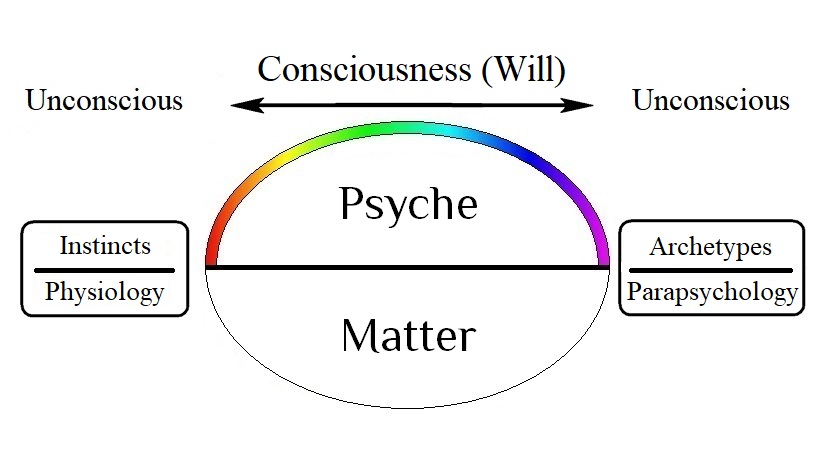
- The Collective Unconscious: A universal reservoir of ancestral memories and experiences shared by all humanity.
- Archetypes: Universal, inherited predispositions to experience and perceive the world in certain ways (e.g., the Mother, the Hero, the Shadow).
- Individuation: A lifelong process of psychological development, aiming for wholeness and self-realization.
- Psychological Types: Jung identified different personality types based on the interplay of attitudes (introversion/extraversion) and functions (thinking, feeling, sensing, intuiting).
4.1 The Significance of the Collective Unconscious
Jung’s concept of the collective unconscious is perhaps his most influential contribution to psychology. It suggests that we are not born as blank slates, but rather inherit a rich tapestry of unconscious knowledge and predispositions from our ancestors. This collective unconscious manifests itself in our dreams, myths, and symbols.

5. Legacy and Global Influence
Carl Jung’s influence extends far beyond the realm of psychology. His ideas have permeated literature, art, religion, and popular culture. His concepts of archetypes, the collective unconscious, and psychological types continue to resonate with individuals seeking self-understanding and personal growth. Jung’s work has inspired countless artists, writers, and thinkers, and his legacy as a pioneering figure in the study of the human psyche remains secure.
5.1 Jung’s Impact on Art and Literature
The influence of Jungian psychology is clearly seen in various forms of art and literature. Many authors and artists have drawn inspiration from Jung’s archetypes and the exploration of the unconscious, enriching their works with deeper psychological meaning.
5.2 Jungian Therapy Today
Jungian therapy continues to be practiced worldwide, offering individuals a unique approach to addressing psychological challenges and fostering personal growth. Jungian analysts help patients explore their unconscious, integrate their shadow selves, and embark on the journey of individuation.
If you want a practical next step, you can also check out Heal your past, design your future.
If you want a practical next step, you can also check out Become an Ultimate Master of your life.


 UACE UNEB SAMPLE PAPERS 2026Advanced Secondary
  ADVANCED LEVEL BIOLOGY, NEW CURRICULUM, SENIOR FIVEAdvanced Secondary,Biology
  Command Your Timeline: Heal the Past, Design Your FutureIntelligence,Skills Development
  SHAPTA MOCKS 2024
 Ultimate Me: Unlock Your Ultimate Potential & Energy HealingIntelligence,Skills Development
 What is ChatGPT?General
 Digital Literacy in Uganda: Why Schools Are Falling BehindGeneral
 Elderberry: The Wildcrafted Herb That Heals NaturallyGeneral
 Turmeric: The Golden Herb That Heals From the Inside OutGeneral
 Turmeric: The Golden Herb That Heals From the Inside OutGeneral
 Closing the Skills Gap: How Industry-Led Skilling Shapes Your FutureGeneral
 Turmeric: The Golden Herb That Heals From the Inside OutGeneral
 Turmeric: The Golden Herb That Heals From the Inside OutGeneral
- BookTok’s Hidden Power: How Readers Are Rewriting Their LivesGeneral
 Susan Grau: Trapped in a Freezer at 4 — Her NDE Changed EverythingGeneral
 How Uganda Students Can Master Exams & Transform Their LearningGeneral
 KAKURU BENARDSample Activity of Integration on Forests, Forest resources and Forestry in Africa
- KAKURU BENARDSample Activity of Integration on Trade within and outside East Africa
 Babirye SandraO-LEVEL ENTREPRENUERSHIP,PETTY CASHBOOK ASSIGNMENT
- Babirye SandraO-LEVEL ENTREPRENUERSHIP,PETTY CASHBOOK ASSIGNMENT
- Babirye SandraO-LEVEL ENTREPRENUERSHIP,PETTY CASHBOOK ASSIGNMENT
0 responses on "Profile: Carl Jung — Life, Ideas, Teachings & Global Influence"