
Uganda’s Skills-First Approach: A New Path to Prosperity
Kampala, Uganda – Forget the old stereotypes. In Uganda, vocational training is no longer a fallback option; it’s a strategic investment in the nation’s future. A dynamic shift is underway, with vocational programs taking a lead role in equipping Ugandans with the practical skills demanded by a rapidly evolving job market. This isn’t just about learning a trade; it’s about building a stronger, more resilient economy.
The Demand for Doing: Filling the Skills Void
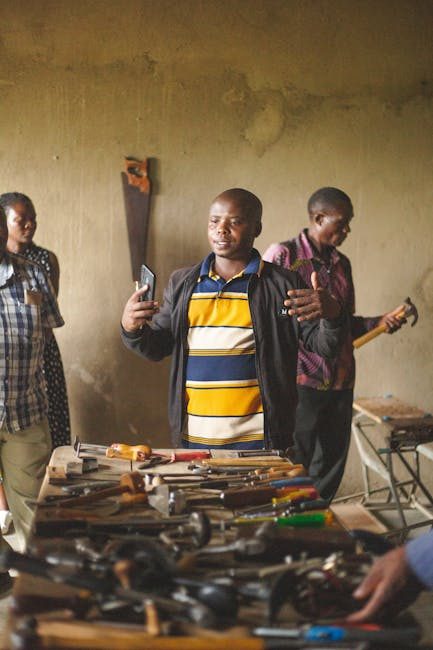
For years, Uganda faced a frustrating paradox: a growing number of graduates but a shortage of qualified workers. Businesses struggled to find individuals with the hands-on expertise needed to drive innovation and growth. This skills gap hindered economic progress and left many young Ugandans unemployed or underemployed. Vocational training is the direct answer to this challenge, providing targeted, practical instruction in high-demand fields.
Consider the example of a local automotive repair shop. Previously, they struggled to find mechanics skilled in modern diagnostics and repair techniques. Now, thanks to a partnership with a vocational training center, they have access to a pipeline of qualified technicians who are ready to hit the ground running.
Key Pillars of Uganda’s Vocational Transformation
Uganda’s commitment to vocational training is evident in a range of targeted initiatives, all focused on delivering relevant skills, enhancing the quality of instruction, and strengthening ties between education and industry.
Strategic Government Investments
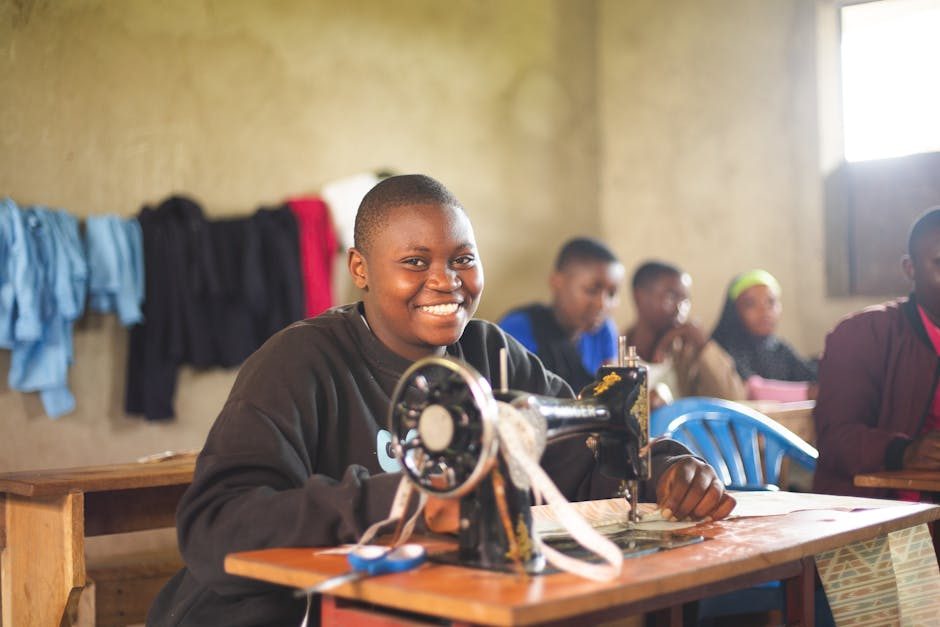
The Ugandan government is putting its money where its mouth is, making substantial investments in vocational training infrastructure, equipment, and teacher development. Scholarships and financial aid programs are also expanding access to vocational studies for students from all backgrounds. For instance, the government recently launched a program to equip vocational schools with state-of-the-art machinery used in manufacturing.
Industry-Driven Partnerships
Collaboration between educational institutions and private companies is ensuring that vocational training programs are aligned with real-world needs. Businesses are actively involved in curriculum development, providing internships and apprenticeships, and offering valuable insights into emerging industry trends. A major telecom company, for example, partners with a local vocational school to train technicians in fiber optic installation and maintenance.
Dynamic and Relevant Curriculum
Uganda’s vocational training curriculum is continuously updated to reflect the latest technological advancements and industry best practices. The focus is on developing practical skills, critical thinking abilities, and entrepreneurial spirit. Innovative teaching methods, such as simulations and real-world projects, are used to create engaging and effective learning experiences.
Navigating the Road Ahead: Challenges and Opportunities
While Uganda’s vocational education revolution is gaining momentum, several challenges must be addressed to ensure its long-term success.
Reframing Perceptions
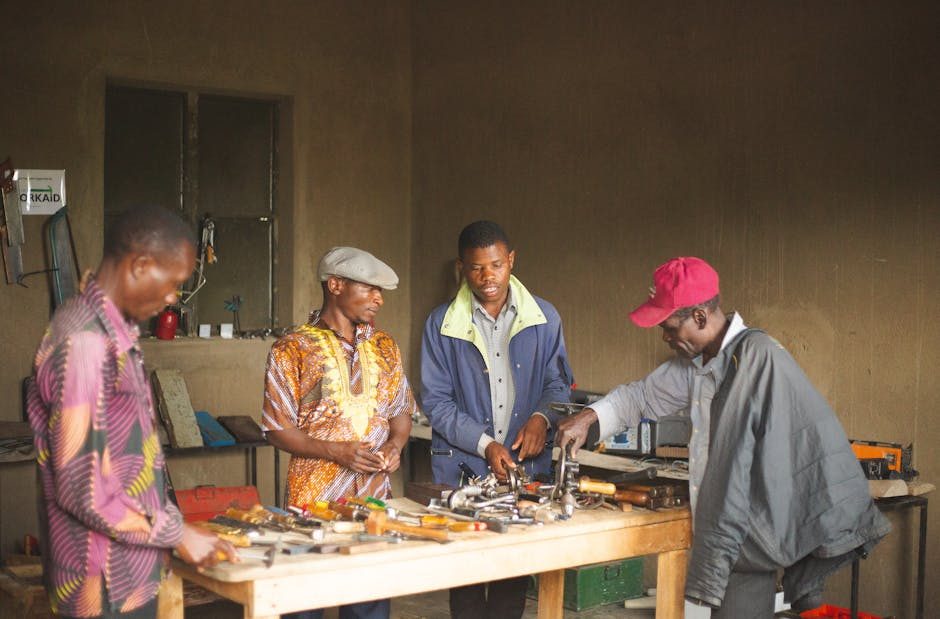
Overcoming the outdated stigma associated with vocational training is crucial. Highlighting the rewarding career paths and economic opportunities available to skilled workers can help shift perceptions and inspire more young Ugandans to pursue vocational studies. Showcasing successful vocational graduates who are now thriving as entrepreneurs or skilled professionals is one effective strategy.
Maintaining High Standards
Ensuring the quality and relevance of vocational training programs requires ongoing evaluation, investment in qualified instructors, and close collaboration with industry to anticipate future skills needs. Regular audits and feedback mechanisms can help maintain high standards and ensure that programs are meeting the demands of the job market.
Promoting Inclusivity
Making vocational training accessible to all Ugandans, regardless of their socioeconomic background or geographic location, is essential. This requires addressing barriers such as affordability, transportation, and cultural biases. Targeted outreach programs and scholarships can help ensure that everyone has the opportunity to benefit from vocational training.
Uganda’s Future is Skilled: A Vision for Tomorrow
Uganda’s commitment to vocational education signals a bright future for its workforce and economy. By continuing to invest in innovative training programs, fostering collaboration between stakeholders, and addressing the challenges that remain, Uganda can empower its citizens with the skills they need to thrive in the 21st century and beyond. This is more than just education; it’s a pathway to prosperity for all Ugandans.
If you want a practical next step, you can also check out Heal your past, design your future.
If you want a practical next step, you can also check out Become an Ultimate Master of your life.


 ADVANCED LEVEL BIOLOGY, NEW CURRICULUM, SENIOR FIVEAdvanced Secondary,Biology
  Command Your Timeline: Heal the Past, Design Your FutureIntelligence,Skills Development
  SHAPTA MOCKS 2024
 Ultimate Me: Unlock Your Ultimate Potential & Energy HealingIntelligence,Skills Development
  NLSC: SENIOR THREE AGRICULTUREAgriculture,New Lower Secondary Curriculum,Ordinary Secondary
 What is ChatGPT?General
- Bridging the Digital Divide: Uganda’s Education Revolution Through Digital Literacy and Teacher TrainingGeneral
 Uganda’s Digital Leap: Transforming Primary Education Through TechnologyGeneral
- Uganda’s Education Renaissance: Combating Learning Loss and Empowering EducatorsGeneral
 The Art of the Subjective: Exploring the Nuances of Book ReviewingGeneral
 Crafting the Perfect Book Review: A Guide for Aspiring CriticsGeneral
 Unveiling the Layers: A Deep Dive into Book Reviewing Beyond Plot SummariesGeneral
 The Art of the Book Review: Beyond Summary, Towards Deeper ConnectionGeneral
 The Art of Crafting a Compelling Book Review: Beyond Summary and CritiqueGeneral
 Crafting Compelling Book Reviews: Beyond Summary, Towards InfluenceGeneral
- The Quintessential Watch Collection: A 30-Year Journey and Lessons for Ugandan LearnersGeneral
 KAKURU BENARDSample Activity of Integration on Forests, Forest resources and Forestry in Africa
- KAKURU BENARDSample Activity of Integration on Trade within and outside East Africa
 Babirye SandraO-LEVEL ENTREPRENUERSHIP,PETTY CASHBOOK ASSIGNMENT
- Babirye SandraO-LEVEL ENTREPRENUERSHIP,PETTY CASHBOOK ASSIGNMENT
- Babirye SandraO-LEVEL ENTREPRENUERSHIP,PETTY CASHBOOK ASSIGNMENT

0 responses on "Uganda Education: Bridging the Skills Gap Through Innovative Vocational Training"