
Empowering Uganda’s Future: Education Embraces the Digital Age
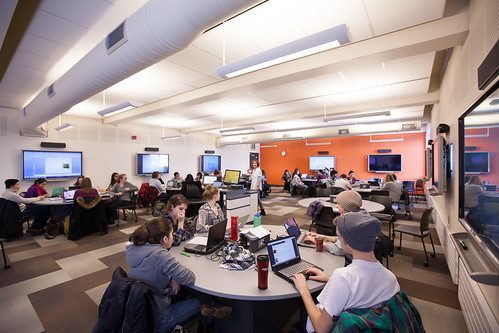
Kampala, Uganda – Imagine a classroom where students aren’t just memorizing facts, but actively creating, collaborating, and innovating. This vision is rapidly becoming a reality in Uganda, thanks to a nationwide initiative focused on integrating technology into education and empowering the teachers who will lead this transformation. Instead of rote learning, students are learning to code, design websites, and analyze data – skills crucial for success in today’s global economy.
From Textbooks to Tablets: Bridging the Digital Divide
The Ugandan government recognizes that access to technology is not uniform across the country. To address this, they are strategically deploying computers, tablets, and reliable internet connections to schools, with a particular focus on underserved rural areas. This isn’t just about providing gadgets; it’s about creating equitable opportunities for all students to participate in the digital world. For example, a rural school in the Karamoja region, previously limited by outdated textbooks, now uses online resources to access up-to-date information and connect with students in other countries.
Teachers as Tech Pioneers: Investing in Expertise
Simply providing technology is not enough. The real key to success lies in empowering teachers to effectively use these tools in their classrooms. Uganda is investing heavily in comprehensive training programs that equip educators with the digital skills they need to become tech-savvy instructors. Think of a history teacher using virtual reality to transport students to ancient civilizations or a science teacher using online simulations to demonstrate complex concepts. These programs emphasize:
- Building teachers’ confidence and competence in using digital tools.
- Developing engaging and interactive lesson plans that incorporate technology.
- Creating online learning communities where teachers can share ideas and resources.
- Providing ongoing support and mentorship to ensure teachers continue to grow their skills.
A Curriculum for the 21st Century: Skills-Based Learning
Uganda is not just adding technology to the existing curriculum; they are fundamentally rethinking what students need to learn to thrive in the modern world. This involves shifting away from traditional rote memorization and towards a more skills-based approach that emphasizes critical thinking, problem-solving, and creativity. This redesigned curriculum focuses on:

- Integrating coding and digital literacy into all subject areas.
- Encouraging project-based learning where students apply their knowledge to real-world problems.
- Fostering collaboration and communication skills through online platforms and group projects.
- Promoting innovation and entrepreneurship by encouraging students to develop their own ideas and businesses.
Partnerships for Progress: A Collaborative Approach
This educational transformation is a collaborative effort. The Ugandan Ministry of Education and Sports is working closely with international organizations, tech companies, and local communities to provide the resources, expertise, and support needed to make this vision a reality. For instance, a partnership with a local tech company provides schools with free access to educational software and technical support.
Navigating the Challenges: Ensuring Equitable Access and Sustainability
While the progress is encouraging, challenges remain. Ensuring equitable access to technology for all students, particularly those from disadvantaged backgrounds, is a key priority. Addressing digital literacy gaps among teachers and securing long-term funding for these initiatives are also crucial. However, the potential rewards are immense. By embracing technology and empowering educators, Uganda is creating a generation of innovative thinkers, problem-solvers, and leaders who are ready to shape the future.
Measuring Impact: Tracking Progress and Ensuring Accountability
To ensure that these reforms are having the desired impact, Uganda is implementing a comprehensive system for monitoring and evaluating progress. This includes tracking key indicators such as student achievement, teacher satisfaction, and technology adoption rates. This data will be used to inform policy decisions and make necessary adjustments to the program over time. For example, if student performance in a particular subject is not improving, the curriculum or teaching methods may be adjusted to better meet their needs.
| Metric | Goal | Current Level |
|---|---|---|
| Student Proficiency in Digital Tools | 80% competent | 55% competent |
| Teachers Proficient in Tech Integration | 95% skilled | 70% skilled |
If you want a practical next step, you can also check out Heal your past, design your future.

If you want a practical next step, you can also check out Become an Ultimate Master of your life.


 ADVANCED LEVEL BIOLOGY, NEW CURRICULUM, SENIOR FIVEAdvanced Secondary,Biology
  Command Your Timeline: Heal the Past, Design Your FutureIntelligence,Skills Development
  SHAPTA MOCKS 2024
 Ultimate Me: Unlock Your Ultimate Potential & Energy HealingIntelligence,Skills Development
  NLSC: SENIOR THREE AGRICULTUREAgriculture,New Lower Secondary Curriculum,Ordinary Secondary
 What is ChatGPT?General
- Bridging the Digital Divide: Uganda’s Education Revolution Through Digital Literacy and Teacher TrainingGeneral
 Uganda’s Digital Leap: Transforming Primary Education Through TechnologyGeneral
- Uganda’s Education Renaissance: Combating Learning Loss and Empowering EducatorsGeneral
 The Art of the Subjective: Exploring the Nuances of Book ReviewingGeneral
 Crafting the Perfect Book Review: A Guide for Aspiring CriticsGeneral
 Unveiling the Layers: A Deep Dive into Book Reviewing Beyond Plot SummariesGeneral
 The Art of the Book Review: Beyond Summary, Towards Deeper ConnectionGeneral
 The Art of Crafting a Compelling Book Review: Beyond Summary and CritiqueGeneral
 Crafting Compelling Book Reviews: Beyond Summary, Towards InfluenceGeneral
- The Quintessential Watch Collection: A 30-Year Journey and Lessons for Ugandan LearnersGeneral
 KAKURU BENARDSample Activity of Integration on Forests, Forest resources and Forestry in Africa
- KAKURU BENARDSample Activity of Integration on Trade within and outside East Africa
 Babirye SandraO-LEVEL ENTREPRENUERSHIP,PETTY CASHBOOK ASSIGNMENT
- Babirye SandraO-LEVEL ENTREPRENUERSHIP,PETTY CASHBOOK ASSIGNMENT
- Babirye SandraO-LEVEL ENTREPRENUERSHIP,PETTY CASHBOOK ASSIGNMENT

0 responses on "Uganda's Education Revolution: A Digital Leap and Empowered Educators"