

Uganda’s Educational Renaissance: A Focus on Innovation
Uganda is undergoing a significant transformation in its approach to education, moving beyond traditional methods to embrace innovative strategies that foster critical thinking, creativity, and problem-solving skills. This shift includes not only integrating technology but also encouraging new teaching styles that better prepare students for a rapidly changing world. This article explores how Uganda is revolutionizing its education system, placing emphasis on cultivating innovation and its impact on student success.
Breaking Barriers: Fostering Creativity and Critical Thinking
A primary objective within Uganda’s evolving education landscape is to move away from rote memorization and cultivate environments where students can think critically and creatively. This requires a deliberate effort to encourage questioning, experimentation, and collaborative learning. For example, some schools are implementing project-based learning approaches, where students work together to solve real-world problems, fostering both teamwork and analytical abilities. The use of design thinking principles is also gaining traction, empowering students to develop innovative solutions to challenges within their communities.
Curriculum Transformation: Nurturing Innovative Mindsets
Recognizing the importance of fostering innovation, the Ugandan Ministry of Education and Sports is revamping the curriculum to prioritize creativity and problem-solving across all subjects. This involves training teachers to facilitate open-ended discussions, encourage experimentation, and provide opportunities for students to explore their own ideas. The focus is on developing a growth mindset, where students are encouraged to embrace challenges, learn from failures, and continuously strive for improvement. For instance, incorporating entrepreneurship education into the curriculum equips students with the skills and knowledge to identify opportunities and develop innovative business ventures.
Empowering Educators: Catalysts for Innovation
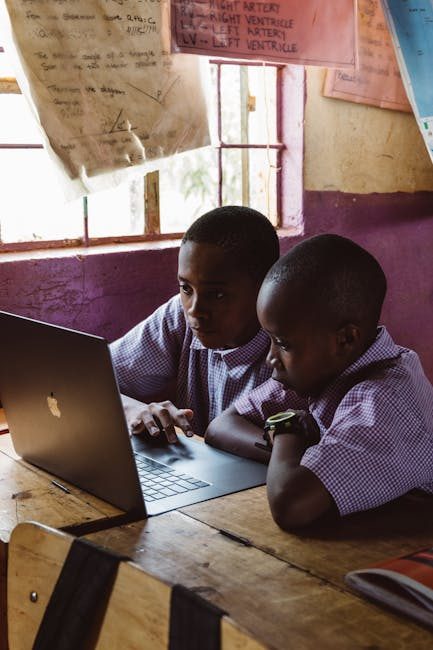
The success of Uganda’s innovative education strategy depends on empowered and well-equipped educators. The government is investing in comprehensive teacher training programs that focus on fostering creativity, critical thinking, and innovative teaching methods. These programs aim to empower teachers to create engaging learning experiences, encourage student-led projects, and effectively assess students’ ability to think critically and solve problems. Furthermore, ongoing professional development opportunities ensure that teachers stay abreast of the latest pedagogical approaches and best practices in fostering innovation in the classroom.
Addressing Challenges and Seizing Opportunities in Teacher Empowerment
While significant strides have been made, challenges persist in ensuring that all teachers have access to the necessary training and resources. Disparities in access to technology, limited funding, and the need for ongoing support remain obstacles that need to be addressed. However, these challenges also present opportunities for innovative solutions, such as mentorship programs, collaborative learning communities, and the development of affordable and accessible resources that support innovative teaching practices.
The Impact of Innovation on Student Achievement and Community Development
The shift towards an innovation-focused education system is already yielding promising results in Uganda. Students who are exposed to innovative teaching methods and creative learning experiences are demonstrating improved academic performance, enhanced critical thinking skills, and increased engagement in their communities. Furthermore, fostering innovation is empowering students to become agents of change, equipping them with the skills they need to address local challenges and contribute to the social and economic development of their communities.
Real-World Impact: Success Stories of Innovation in Education
Numerous schools and communities in Uganda have successfully implemented innovative education programs, serving as beacons of inspiration for others. These case studies showcase the transformative power of innovation in education, demonstrating how it can improve student outcomes, empower teachers, and drive community development. For example, one school in a rural community saw a significant increase in student engagement and a decrease in dropout rates after implementing a student-led initiative to address local environmental challenges.
The Future of Education in Uganda: A Path to Progress
Uganda’s dedication to fostering innovation in education is paving the way for a brighter and more prosperous future. By continuing to invest in teacher empowerment, curriculum transformation, and community engagement, Uganda can ensure that all students have the opportunity to develop the skills and mindsets they need to thrive in the 21st century. The future of education in Uganda is one where innovation is at the heart of learning, empowering students to become creative problem-solvers, critical thinkers, and active contributors to society.

- Establishing innovation hubs within schools to provide students with access to resources and mentorship.
- Partnering with local businesses and organizations to provide students with real-world learning opportunities.
- Celebrating and showcasing student innovations to inspire others and foster a culture of creativity.
If you want a practical next step, you can also check out Heal your past, design your future.
If you want a practical next step, you can also check out Become an Ultimate Master of your life.


 ADVANCED LEVEL BIOLOGY, NEW CURRICULUM, SENIOR FIVEAdvanced Secondary,Biology
  Command Your Timeline: Heal the Past, Design Your FutureIntelligence,Skills Development
  SHAPTA MOCKS 2024
 Ultimate Me: Unlock Your Ultimate Potential & Energy HealingIntelligence,Skills Development
  NLSC: SENIOR THREE AGRICULTUREAgriculture,New Lower Secondary Curriculum,Ordinary Secondary
 What is ChatGPT?General
 Elderberry: The Wildcrafted Herb That Fights Illness NaturallyGeneral
 Elderberry: The Wildcrafted Herb That Heals NaturallyGeneral
 Friday Shutdown Routine That Replaced My Sunday Reset for GoodGeneral
 Turmeric: The Golden Herb That Heals From the Inside OutGeneral
 Turmeric: The Golden Herb That Heals From the Inside OutGeneral
 Best Free AI Voice Tools Available Right Now in 2025General
 Minecraft Quests & Ugandan Curriculum: Learn Through GamingGeneral
- Uganda Schools on the Brink: The Human Cost of Aid Cuts 2026General
 CapCut AI Ad Test: Is It Fast or Just Flashy?General
 Turmeric: The Golden Herb That Heals From the Inside OutGeneral
 KAKURU BENARDSample Activity of Integration on Forests, Forest resources and Forestry in Africa
- KAKURU BENARDSample Activity of Integration on Trade within and outside East Africa
 Babirye SandraO-LEVEL ENTREPRENUERSHIP,PETTY CASHBOOK ASSIGNMENT
- Babirye SandraO-LEVEL ENTREPRENUERSHIP,PETTY CASHBOOK ASSIGNMENT
- Babirye SandraO-LEVEL ENTREPRENUERSHIP,PETTY CASHBOOK ASSIGNMENT

0 responses on "Uganda's Education System: Embracing Digital Literacy and Innovation in the Classroom"