
Yarrow: From Battlefield to Wellness Cabinet
Achillea millefolium, or yarrow, isn’t just another pretty wildflower. This resilient herb boasts a rich history and a compelling array of therapeutic properties, making it a valuable addition to any natural wellness toolkit. Forget dusty textbooks; this guide offers a fresh look at yarrow, exploring its benefits and practical applications for today’s health-conscious individual.
Beyond the Legend: More Than Just Achilles’ Cure
Yes, the name Achillea links yarrow to the legendary Achilles, who supposedly used it to treat his soldiers’ wounds. But yarrow’s story extends far beyond ancient Greece. Indigenous cultures worldwide recognized its power, employing it for everything from staunching blood to easing childbirth. Think of Native American tribes using it for ceremonial purposes, or medieval Europeans relying on it during outbreaks. Yarrow’s versatility speaks volumes about its inherent healing capabilities.
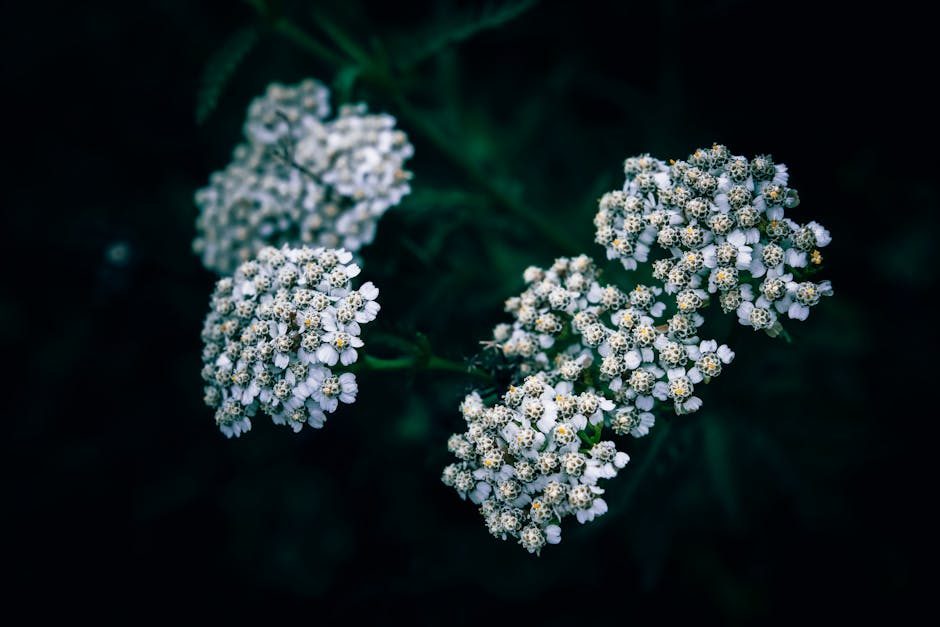
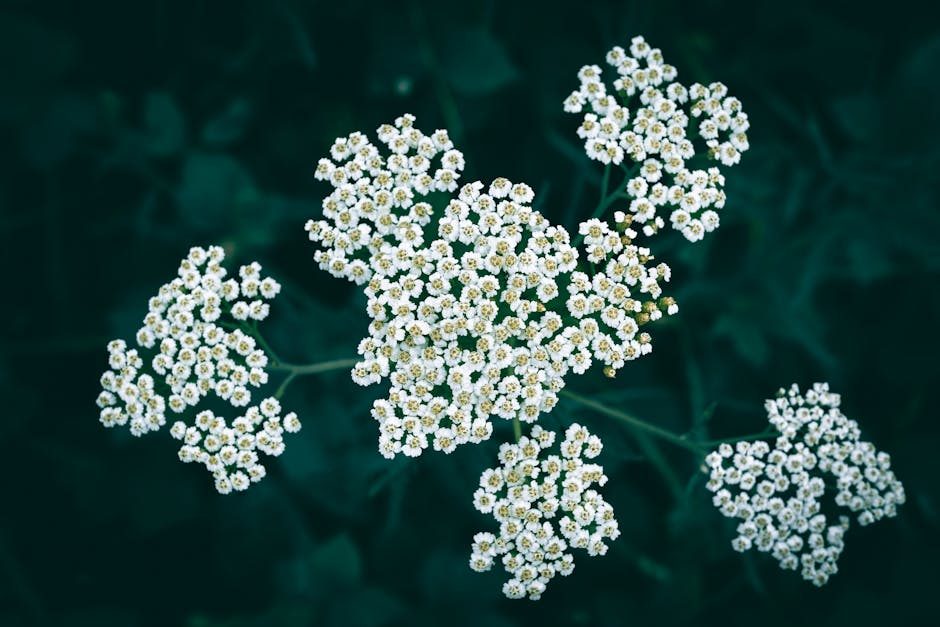
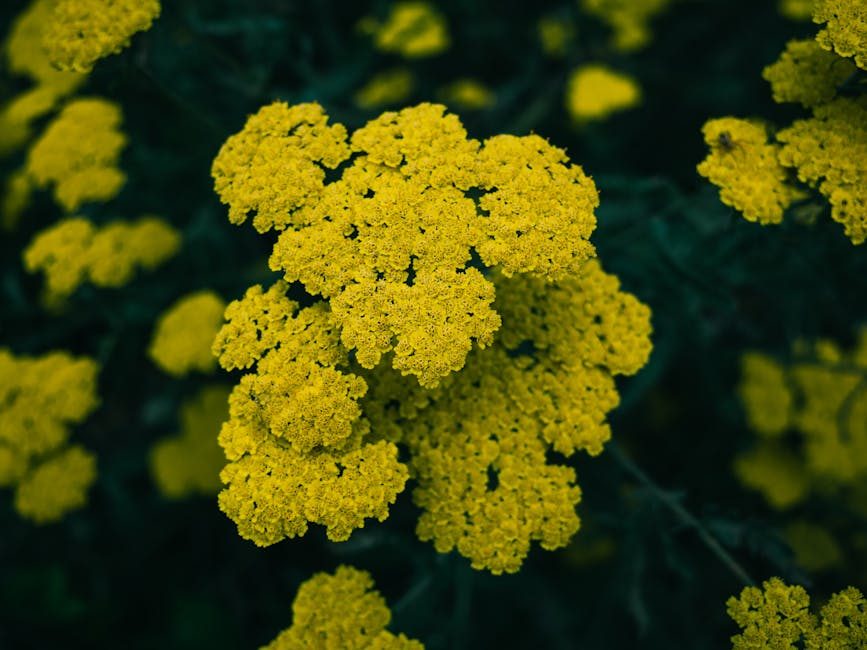
Unlike some exotic remedies, yarrow is often found growing wild, a testament to its hardiness. Its fern-like leaves and clusters of tiny flowers, usually white but sometimes pink or yellow, make it relatively easy to identify – a boon for anyone interested in foraging or cultivating their own medicine.
Decoding Yarrow’s Healing Power: A Look Inside
Yarrow’s effectiveness stems from a complex cocktail of bioactive compounds. It’s not just one ingredient doing the work; it’s the synergy of several that creates its unique effects.
The Key Players: Yarrow’s Active Compounds
- Flavonoids: Imagine these as tiny bodyguards protecting your cells from damage. They reduce inflammation and accelerate wound healing, promoting overall tissue regeneration. Think of them as internal repair crew.
- Achilleine: This alkaloid is yarrow’s secret weapon against bleeding. It acts as a natural styptic, quickly stopping blood flow from minor cuts and scrapes. It’s like a natural bandage in plant form.
- Sesquiterpene Lactones: These contribute to yarrow’s characteristic bitter taste and are potent anti-inflammatory agents. They work to reduce swelling and pain, offering relief from discomfort. Consider them nature’s ibuprofen.
- Essential Oils (Chamazulene & Beta-Pinene): These oils provide antiseptic and antimicrobial benefits, preventing infection and promoting a clean healing environment. They’re the frontline defense against unwanted invaders.
Yarrow’s Modern Applications: Real-World Benefits
Yarrow isn’t just for historical reenactments. Its properties translate to a variety of modern uses.
First Aid Hero: Wound Care Reimagined
Forget harsh chemicals; yarrow offers a natural alternative for treating minor injuries. A yarrow poultice or infused oil can help stop bleeding, prevent infection, and speed up the healing process. Imagine using it on a child’s scraped knee or a minor kitchen burn. Studies suggest it can significantly shorten wound closure time.
Inflammation Tamer: Soothing Relief
Whether it’s aching muscles after a workout or the discomfort of mild arthritis, yarrow’s anti-inflammatory properties can provide relief. A warm yarrow tea or a topical application of yarrow-infused oil can help reduce swelling and ease pain. Think of it as a natural remedy for everyday aches and pains.
Digestive Aid: Gentle Support for Gut Health
Yarrow can gently stimulate digestion and reduce inflammation in the digestive tract. Sipping yarrow tea after a heavy meal can help alleviate bloating and indigestion. Its bitter properties can also stimulate appetite, making it useful for those with poor digestion. It’s like a gentle nudge for your digestive system.
Immune Booster: Strengthening Your Defenses
Yarrow’s antimicrobial and antioxidant properties can help bolster your immune system. Using yarrow tea as a preventative measure during cold and flu season can help strengthen your defenses. Consider it a natural shield against seasonal bugs.
Yarrow in Practice: How to Incorporate It
Yarrow’s versatility allows for several methods of use:
- Yarrow Tea: Steep dried yarrow in hot water for a soothing and therapeutic beverage.
- Yarrow Tincture: A concentrated extract that can be taken internally or applied topically.
- Yarrow-Infused Oil/Salve: Ideal for topical application to wounds, skin irritations, and sore muscles.
- Yarrow Poultice: Freshly crushed yarrow applied directly to wounds or inflamed areas.
- Yarrow Essential Oil: Use cautiously in aromatherapy or diluted for topical applications.
Important Considerations: Safety First
While generally safe, keep these points in mind:
- Allergies: If you’re allergic to ragweed or other members of the Asteraceae family, exercise caution.
- Pregnancy and Breastfeeding: Avoid yarrow during these times due to potential uterine stimulation.
- Blood Thinners: Consult your doctor if you’re taking blood-thinning medications.
- Photosensitivity: Yarrow may increase sensitivity to sunlight in some individuals.
Always consult a healthcare professional or qualified herbalist before using yarrow, especially if you have pre-existing health conditions or are taking medications. They can provide personalized guidance and ensure safe and effective use.
If you want a practical next step, you can also check out Heal your past, design your future.
If you want a practical next step, you can also check out Become an Ultimate Master of your life.


 ADVANCED LEVEL BIOLOGY, NEW CURRICULUM, SENIOR FIVEAdvanced Secondary,Biology
  Command Your Timeline: Heal the Past, Design Your FutureIntelligence,Skills Development
  SHAPTA MOCKS 2024
 Ultimate Me: Unlock Your Ultimate Potential & Energy HealingIntelligence,Skills Development
  NLSC: SENIOR THREE AGRICULTUREAgriculture,New Lower Secondary Curriculum,Ordinary Secondary
 What is ChatGPT?General
- Bridging the Digital Divide: Uganda’s Education Revolution Through Digital Literacy and Teacher TrainingGeneral
 Uganda’s Digital Leap: Transforming Primary Education Through TechnologyGeneral
- Uganda’s Education Renaissance: Combating Learning Loss and Empowering EducatorsGeneral
 The Art of the Subjective: Exploring the Nuances of Book ReviewingGeneral
 Crafting the Perfect Book Review: A Guide for Aspiring CriticsGeneral
 Unveiling the Layers: A Deep Dive into Book Reviewing Beyond Plot SummariesGeneral
 The Art of the Book Review: Beyond Summary, Towards Deeper ConnectionGeneral
 The Art of Crafting a Compelling Book Review: Beyond Summary and CritiqueGeneral
 Crafting Compelling Book Reviews: Beyond Summary, Towards InfluenceGeneral
- The Quintessential Watch Collection: A 30-Year Journey and Lessons for Ugandan LearnersGeneral
 KAKURU BENARDSample Activity of Integration on Forests, Forest resources and Forestry in Africa
- KAKURU BENARDSample Activity of Integration on Trade within and outside East Africa
 Babirye SandraO-LEVEL ENTREPRENUERSHIP,PETTY CASHBOOK ASSIGNMENT
- Babirye SandraO-LEVEL ENTREPRENUERSHIP,PETTY CASHBOOK ASSIGNMENT
- Babirye SandraO-LEVEL ENTREPRENUERSHIP,PETTY CASHBOOK ASSIGNMENT

0 responses on "Yarrow: Nature's Potent Healer for Wounds, Inflammation, and More"