
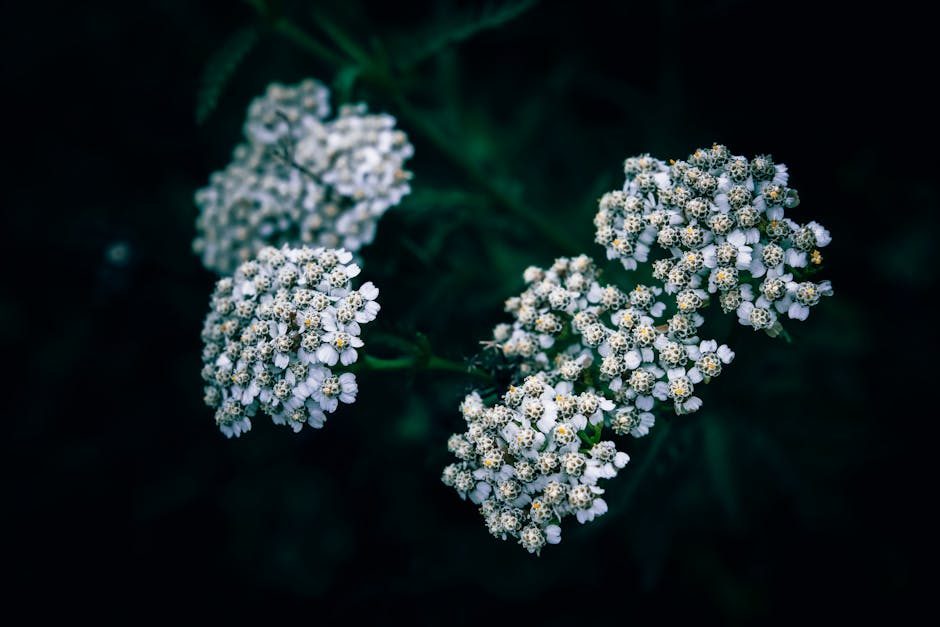
Yarrow: A Time-Tested Herb with Modern Applications
Achillea millefolium, better known as yarrow, is a humble plant with an extraordinary history as a medicinal powerhouse. Revered for its ability to treat wounds and reduce inflammation, yarrow remains a relevant and effective natural solution. Let’s explore the diverse benefits of yarrow, its traditional uses, the science that supports its efficacy, how to use it, and crucial safety guidelines.
Echoes of the Past: Yarrow’s Rich History
The name Achillea millefolium connects yarrow to Achilles, the legendary Greek warrior said to have used it to heal his troops’ injuries during the Trojan War. This link highlights yarrow’s age-old reputation as a wound healer. Throughout history, different cultures have turned to yarrow for its healing properties. Native Americans valued it for managing pain, reducing fevers, and aiding digestion. Similarly, traditional European medicine embraced yarrow for stopping bleeding, boosting circulation, and easing inflammation. Its popularity across various cultures proves its strong medicinal qualities and versatility as a natural treatment.
Decoding Yarrow’s Healing Power: Active Components
Yarrow’s healing abilities are due to its complex blend of chemical compounds. Key components include:
- Achilleine: Thought to be the key compound responsible for yarrow’s ability to stop bleeding.
- Chamazulene: A potent anti-inflammatory compound that gives yarrow its characteristic blue color when the essential oil is extracted.
- Flavonoids: These antioxidants contribute to yarrow’s anti-inflammatory and wound-healing properties. They also help protect cells from damage.
- Sesquiterpene Lactones: Known for their anti-inflammatory and analgesic (pain-relieving) effects.
- Volatile Oils: Yarrow contains a variety of volatile oils, such as cineole and borneol, which contribute to its antiseptic and antimicrobial properties.
The Benefits of Yarrow: A Closer Look
Yarrow offers a range of potential health benefits, supported by both traditional use and scientific research:
Wound Healing
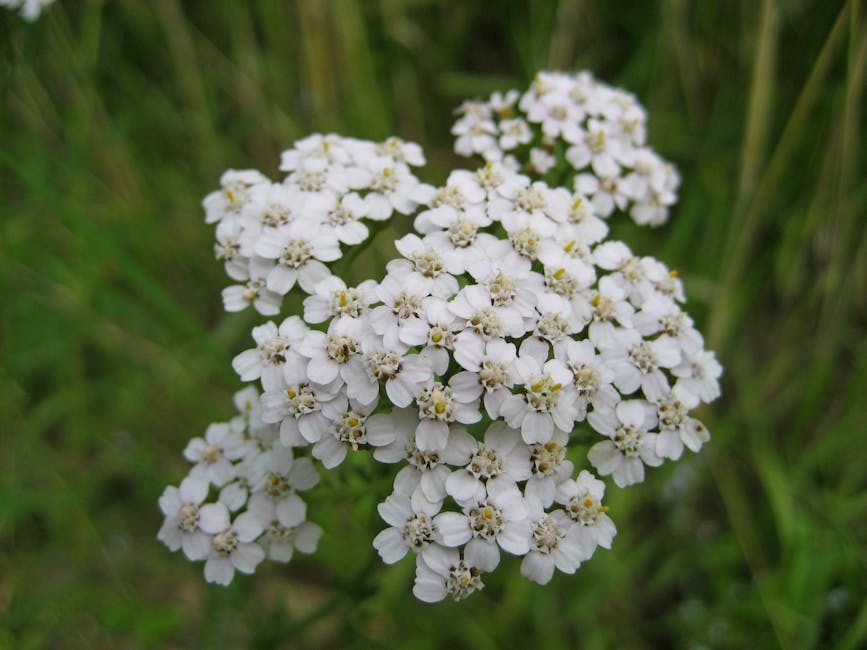
Yarrow’s most well-known benefit is its ability to promote wound healing. Its styptic properties, attributed to achilleine, help to stop bleeding quickly. Additionally, its anti-inflammatory and antimicrobial compounds help to prevent infection and promote tissue regeneration.
Anti-Inflammatory Action
Chamazulene and other compounds in yarrow contribute to its significant anti-inflammatory effects. This makes it useful for managing inflammatory conditions, both internal and external.
Digestive Support
Traditionally, yarrow has been used to aid digestion. It can help to relieve bloating, gas, and other digestive discomforts. Its bitter compounds may stimulate digestive secretions, promoting better nutrient absorption.
Menstrual Support
Yarrow has been used to regulate menstrual cycles and ease menstrual cramps. Its anti-inflammatory and antispasmodic properties can help to reduce pain and discomfort associated with menstruation.
Antimicrobial Properties
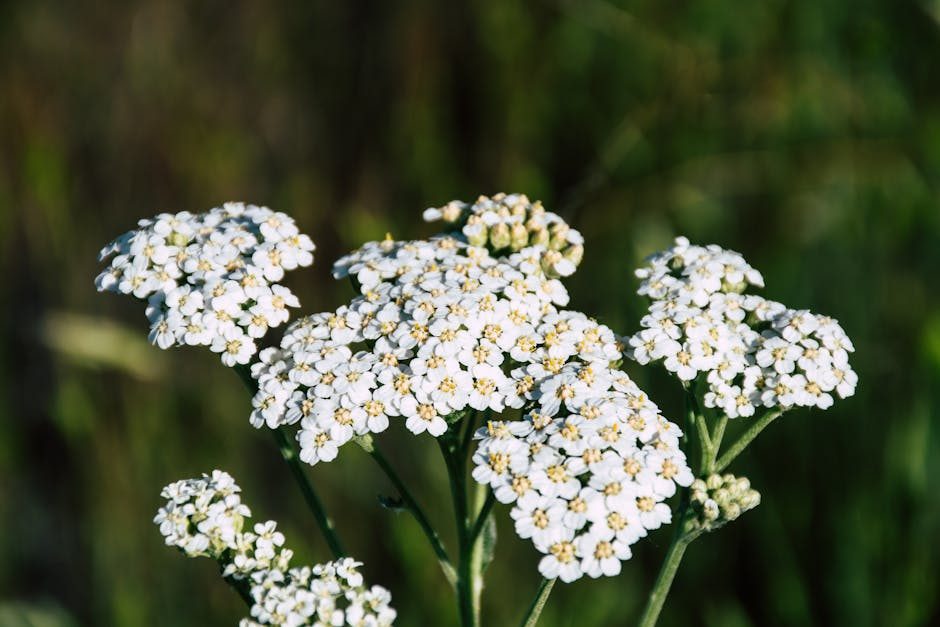
Yarrow exhibits antimicrobial activity against a range of bacteria and fungi. This makes it a valuable remedy for treating infections and preventing their spread.
How to Use Yarrow: Practical Applications
Yarrow can be used in various forms, depending on the desired effect:
- Tea: Yarrow tea can be made by steeping dried yarrow flowers and leaves in hot water. It can be consumed for its digestive and anti-inflammatory benefits.
- Tincture: Yarrow tincture is a concentrated liquid extract that can be taken internally or applied topically.
- Salve or Ointment: Yarrow-infused salves and ointments can be applied directly to wounds, burns, and skin irritations to promote healing.
- Compress: A yarrow compress can be made by soaking a cloth in yarrow tea and applying it to the affected area. This is useful for reducing inflammation and pain.
- Essential Oil: Yarrow essential oil can be used in aromatherapy or diluted and applied topically for its anti-inflammatory and antimicrobial properties.
Safety Considerations and Potential Side Effects
While yarrow is generally considered safe, it’s important to be aware of potential side effects and precautions:
- Allergies: People who are allergic to plants in the Asteraceae/Compositae family (such as ragweed, daisies, and chrysanthemums) may also be allergic to yarrow.
- Pregnancy and Breastfeeding: Yarrow is not recommended for use during pregnancy or breastfeeding due to a lack of safety data.
- Photosensitivity: Yarrow may increase sensitivity to sunlight in some individuals. It’s advisable to avoid prolonged sun exposure after using yarrow topically.
- Blood Thinners: Yarrow may have blood-thinning effects, so it should be used with caution by people who are taking blood thinners.
- Consult a Healthcare Professional: It’s always best to consult with a healthcare professional before using yarrow, especially if you have any underlying health conditions or are taking medications.
Conclusion: Embracing Yarrow’s Healing Legacy
Yarrow, with its rich history and diverse therapeutic properties, continues to be a valuable natural remedy. From wound healing to inflammation reduction and digestive support, yarrow offers a wide range of potential health benefits. By understanding its active components, traditional uses, and safety considerations, we can harness the power of yarrow to promote well-being and embrace nature’s healing legacy.
If you want a practical next step, you can also check out Heal your past, design your future.
If you want a practical next step, you can also check out Become an Ultimate Master of your life.


 ADVANCED LEVEL BIOLOGY, NEW CURRICULUM, SENIOR FIVEAdvanced Secondary,Biology
  Command Your Timeline: Heal the Past, Design Your FutureIntelligence,Skills Development
  SHAPTA MOCKS 2024
 Ultimate Me: Unlock Your Ultimate Potential & Energy HealingIntelligence,Skills Development
  NLSC: SENIOR THREE AGRICULTUREAgriculture,New Lower Secondary Curriculum,Ordinary Secondary
 What is ChatGPT?General
 CapCut AI Ad Test: Is It Fast or Just Flashy?General
 Turmeric: The Golden Herb That Heals From the Inside OutGeneral
 Turmeric: The Golden Herb That Heals From the Inside OutGeneral
 Leadership Skills: The Complete Guide to Leading with ImpactGeneral
 Elderberry: The Ancient Immune Powerhouse You Need NowGeneral
 Elderberry: The Ancient Immune Herb That Science Now ConfirmsGeneral
 Promotions & Team Growth: How to Own Your Career TrajectoryGeneral
 Nikki Dutta: Open Channels to Spirit Through Mediumship MasteryGeneral
 Uganda School Enrollment Crisis 2026: Reforms Failing MillionsGeneral
 Uganda Education Funding Crisis: When Aid Cuts Leave Children BehindGeneral
 KAKURU BENARDSample Activity of Integration on Forests, Forest resources and Forestry in Africa
- KAKURU BENARDSample Activity of Integration on Trade within and outside East Africa
 Babirye SandraO-LEVEL ENTREPRENUERSHIP,PETTY CASHBOOK ASSIGNMENT
- Babirye SandraO-LEVEL ENTREPRENUERSHIP,PETTY CASHBOOK ASSIGNMENT
- Babirye SandraO-LEVEL ENTREPRENUERSHIP,PETTY CASHBOOK ASSIGNMENT

0 responses on "Yarrow: Nature's Potent Healer for Wounds, Inflammation, and More"