

Not every ancient remedy survives contact with modern laboratory scrutiny. Ashwagandha is one of the rare exceptions — a plant with roots in 3,000-year-old Ayurvedic practice that continues to earn peer-reviewed validation in the 21st century. But what exactly makes this shrub so compelling, and how should contemporary users think about incorporating it?
- Quick Summary: Ashwagandha (Withania somnifera) is an adaptogenic herb central to Ayurvedic medicine, supported by clinical evidence for benefits ranging from cortisol reduction to improved athletic endurance.
- Controlled trials suggest regular supplementation can cut cortisol levels by up to 30% in chronically stressed adults.
- Available as capsules, powders, tinctures, and teas through pharmacies, health retailers, and online platforms.
- Pregnant individuals and those on thyroid or immunosuppressive medications should consult a physician before use.
- Conventional medical alternatives exist for most conditions ashwagandha addresses, enabling informed consumer choice.
What Kind of Plant Is Ashwagandha, Really?
Botanically catalogued as Withania somnifera, ashwagandha belongs to the Solanaceae family — the same broad plant family that includes tomatoes and peppers. It grows as a compact woody shrub, rarely exceeding 75 centimeters, across arid regions of India, the Mediterranean basin, and North Africa. The Sanskrit name translates roughly to horse smell, referencing both the root’s pungent aroma and a traditional belief that regular consumption transfers equine strength and stamina to the user.
Within Ayurveda, the herb occupies a category called Rasayana — a class of tonics historically prescribed not merely to treat illness but to extend vitality and slow aging. The root is the most therapeutically concentrated part of the plant, and it is root extracts that feature most prominently in modern clinical research.
The Chemistry Behind the Claims
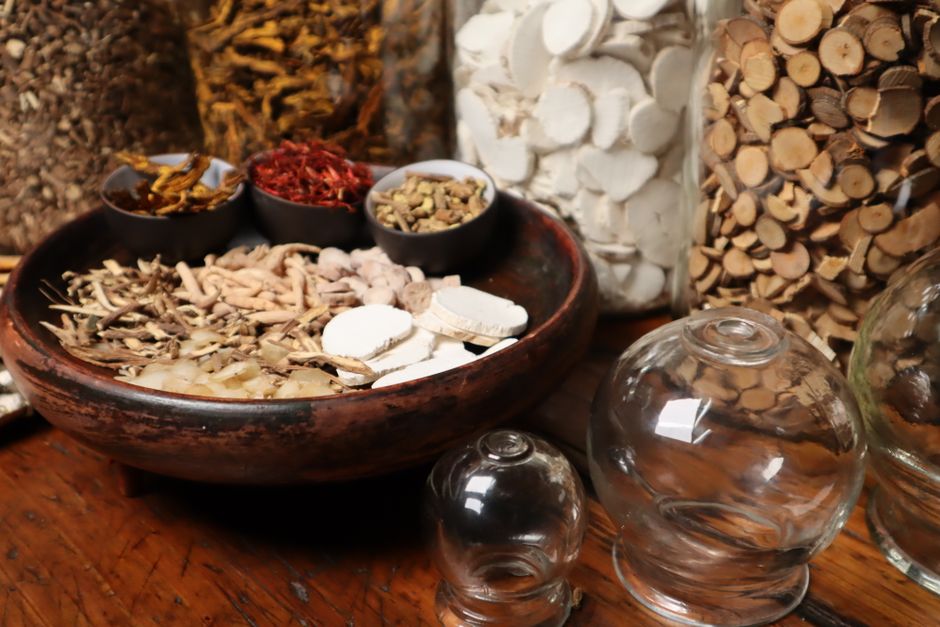
Ashwagandha’s pharmacological profile is anchored by a family of steroidal lactones called withanolides, compounds found exclusively in the Withania genus. These molecules are considered the primary agents responsible for the herb’s adaptogenic, anti-inflammatory, and neuroprotective properties. The root also contains alkaloids such as isopelletierine and anaferine, along with saponins and notable quantities of iron.
How Withanolides Work at the Cellular Level
Withanolides operate across several biological pathways simultaneously. They regulate the hypothalamic-pituitary-adrenal (HPA) axis — the hormonal cascade that controls how the body responds to stress — and suppress pro-inflammatory signaling proteins including NF-kB. This multi-target mechanism helps explain why the herb appears effective against conditions as varied as chronic anxiety and systemic inflammation, two problems that often share underlying biological roots.
The Supporting Cast: Alkaloids and Saponins
While withanolides attract most of the scientific attention, the alkaloids in ashwagandha contribute meaningfully to its sedative and muscle-relaxing effects. Saponins, a third class of active compounds, appear to support immune regulation and may enhance the body’s capacity for physical recovery after exertion — a property increasingly relevant to sports nutrition researchers.
Where Clinical Evidence Is Strongest
Ashwagandha is among the most rigorously studied adaptogens in existence. The following areas represent domains where randomized controlled trial data is most robust.
Managing Chronic Stress and Anxiety
The stress-reduction evidence is arguably the most compelling in ashwagandha’s research portfolio. A frequently cited 60-day randomized controlled trial published in the Indian Journal of Psychological Medicine assigned participants either 300 mg of standardized root extract twice daily or a placebo. Those receiving the herb reported a 44% drop in perceived stress scores; the placebo group reported just 5.5%. Serum cortisol measurements corroborated the self-reported data, showing statistically significant reductions in the supplementation group.

For those looking to take the next step, Become an Ultimate Master of your life is a resource worth exploring.
For those looking to take the next step, Heal your past, design your future is a resource worth exploring.
Sleep Architecture and Insomnia
The species name somnifera — Latin for sleep-inducing — was not chosen arbitrarily. A 2019 clinical trial administering 600 mg of root extract daily over ten weeks found measurable improvements in sleep onset latency, total sleep duration, and subjective sleep quality among adults diagnosed with insomnia. Researchers attribute these effects to withanolide interactions with GABA receptors, the same neurological targets addressed by several prescription sleep medications.
Athletic Performance and Muscle Recovery
A study published in the Journal of the International Society of Sports Nutrition tracked men supplementing with 300 mg of ashwagandha twice daily for eight weeks. Compared to the placebo group, participants showed significantly greater increases in muscle strength, improved VO2 max scores — a standard measure of aerobic capacity — and reduced markers of exercise-induced muscle damage. These findings have made ashwagandha a fixture in natural sports supplementation discussions.
Hormonal Health Across Genders
Male fertility research has repeatedly linked ashwagandha supplementation to elevated testosterone and improved sperm motility and count. For women navigating perimenopause, separate trials have documented reductions in hot flashes, mood instability, and sleep disruption. Additionally, the herb’s influence on thyroid-stimulating hormone (TSH) and thyroxine (T4) levels has attracted interest among clinicians managing subclinical hypothyroidism — though this application demands careful medical oversight.
Neuroprotection and Cognitive Performance
Preclinical and early human trials suggest withanolides may stimulate dendritic growth in neurons, supporting memory consolidation and cognitive resilience. Supplementation has been associated with improvements in reaction time, information processing speed, and working memory in healthy adults. Researchers are also investigating whether these neuroprotective properties could have relevance for neurodegenerative conditions, though that research remains at an exploratory stage.
Immune System Modulation
Ashwagandha appears to act as an immunomodulator rather than a simple stimulant — meaning it can both enhance immune activity when the system is underperforming and temper excessive inflammatory responses. Studies have documented increases in natural killer cell activity and improvements in markers of immune surveillance following supplementation, suggesting potential utility during periods of heightened infection risk or physical stress.
Practical Guidance: Forms, Dosing, and Timing
Consumers encounter ashwagandha in several formats, each with distinct characteristics. Standardized root extract capsules — typically calibrated to contain a specified percentage of withanolides — offer the most consistent dosing and are used in the majority of clinical trials. Raw root powder, while less precisely dosed, integrates easily into smoothies or warm milk preparations traditional in South Asian households. Liquid tinctures allow flexible dosing and rapid absorption, while herbal teas provide a gentler, lower-concentration option suited to mild stress management rather than therapeutic applications.
Clinical studies have employed daily doses ranging from 300 mg to 600 mg of standardized extract, typically divided across two administrations. Effects on stress and sleep tend to become noticeable within two to four weeks of consistent use, while benefits related to muscle performance and hormonal markers may require six to eight weeks to manifest clearly.
Who Should Exercise Caution
Despite its generally favorable safety profile, ashwagandha is not universally appropriate. Pregnant individuals should avoid it entirely, as animal studies have raised concerns about uterine stimulation. People taking thyroid hormone replacement therapy require medical supervision due to the herb’s documented effects on TSH and T4. Those on immunosuppressive medications should also consult a physician, given ashwagandha’s immune-activating properties. Rare cases of liver injury associated with high-dose supplementation have been reported, underscoring the importance of adhering to evidence-based dosing ranges.
Situating Ashwagandha Within a Broader Health Strategy
Ashwagandha functions most effectively as a complement to — rather than a replacement for — established health practices. For stress management, it pairs logically with cognitive behavioral strategies and adequate sleep hygiene. For athletic performance, it supplements rather than substitutes for structured training and sound nutrition. Individuals managing diagnosed anxiety disorders, hormonal conditions, or sleep disorders should treat it as one tool within a medically supervised plan rather than a standalone solution.
What distinguishes ashwagandha from most wellness trends is the durability of its evidence base. Across stress physiology, endocrine health, physical performance, and cognitive function, the convergence of traditional use and modern clinical data is unusually consistent. That consistency, more than any single study, is the most persuasive argument for taking this ancient herb seriously.


 UACE UNEB SAMPLE PAPERS 2026Advanced Secondary
  ADVANCED LEVEL BIOLOGY, NEW CURRICULUM, SENIOR FIVEAdvanced Secondary,Biology
  Command Your Timeline: Heal the Past, Design Your FutureIntelligence,Skills Development
  SHAPTA MOCKS 2024
 Ultimate Me: Unlock Your Ultimate Potential & Energy HealingIntelligence,Skills Development
 What is ChatGPT?General
 Elderberry: The Wildcrafted Herb That Fights Illness NaturallyGeneral
 Elderberry: The Wildcrafted Herb That Heals NaturallyGeneral
 Friday Shutdown Routine That Replaced My Sunday Reset for GoodGeneral
 Turmeric: The Golden Herb That Heals From the Inside OutGeneral
 Turmeric: The Golden Herb That Heals From the Inside OutGeneral
 Best Free AI Voice Tools Available Right Now in 2025General
 Minecraft Quests & Ugandan Curriculum: Learn Through GamingGeneral
- Uganda Schools on the Brink: The Human Cost of Aid Cuts 2026General
 CapCut AI Ad Test: Is It Fast or Just Flashy?General
 Turmeric: The Golden Herb That Heals From the Inside OutGeneral
 KAKURU BENARDSample Activity of Integration on Forests, Forest resources and Forestry in Africa
- KAKURU BENARDSample Activity of Integration on Trade within and outside East Africa
 Babirye SandraO-LEVEL ENTREPRENUERSHIP,PETTY CASHBOOK ASSIGNMENT
- Babirye SandraO-LEVEL ENTREPRENUERSHIP,PETTY CASHBOOK ASSIGNMENT
- Babirye SandraO-LEVEL ENTREPRENUERSHIP,PETTY CASHBOOK ASSIGNMENT

0 responses on "Ashwagandha: The Ancient Herb That Heals Body and Mind"