
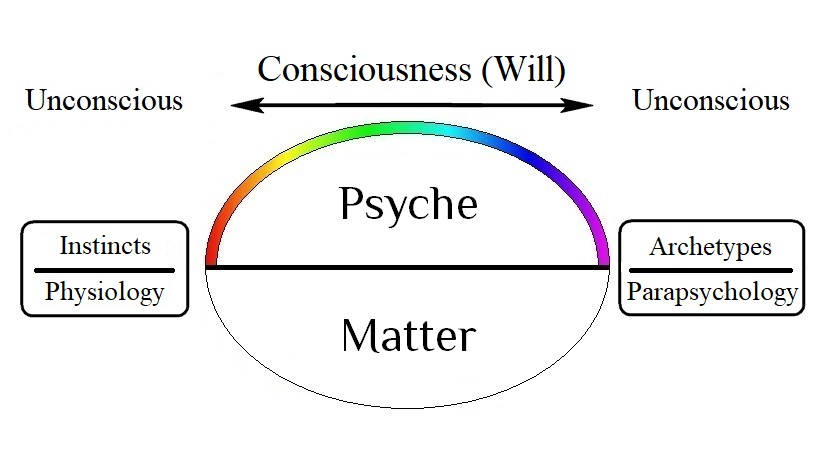
Introduction: Carl Jung – A Pioneer of the Psyche
Carl Gustav Jung (1875–1961), a Swiss psychiatrist and the founder of analytical psychology, stands as a towering figure in the history of psychological thought. His work extends far beyond the clinical realm, profoundly influencing philosophy, anthropology, literature, religious studies, and popular culture. Jung’s concepts, such as the collective unconscious, archetypes, synchronicity, and the process of individuation, continue to resonate with those seeking deeper self-understanding and spiritual meaning.
Early Life and Intellectual Formation
Born in Kesswil, Switzerland, Jung’s early life was marked by a rich inner world. His father, a pastor, and his mother, from a family with a history of spiritual interests, created an environment conducive to introspection. Jung, a solitary and imaginative child, experienced vivid dreams and visions that would later inform his theories about the unconscious mind.
Academic Pursuits and the Allure of Psychiatry
Initially drawn to the humanities, Jung considered careers in archaeology and philology. However, he ultimately chose medicine, specializing in psychiatry. His studies at the University of Basel exposed him to the burgeoning field of psychology, which he found intellectually stimulating and personally compelling.
The Freud-Jung Partnership and Divergence
A pivotal moment in Jung’s career was his encounter with the work of Sigmund Freud. In 1907, Jung met Freud, and the two men formed a close professional relationship. Freud saw Jung as his intellectual heir, and Jung became the first president of the International Psychoanalytic Association. However, their collaboration was not destined to last.
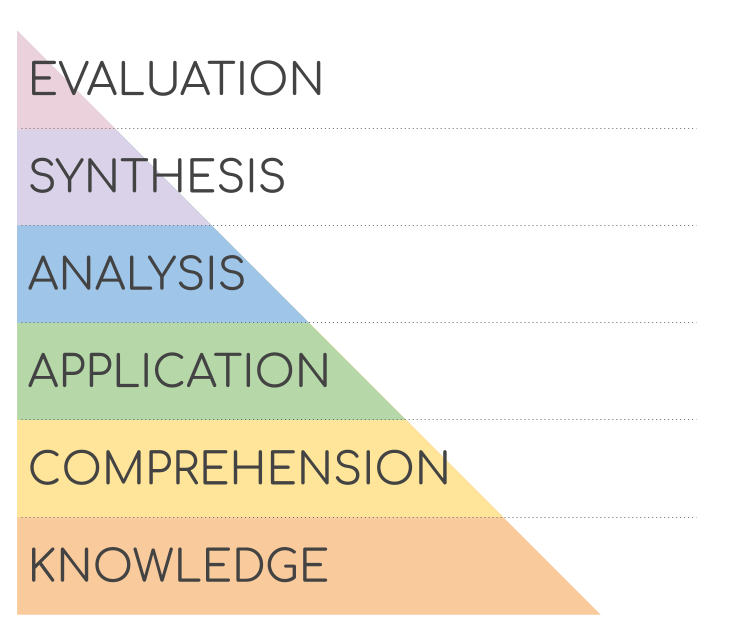
Theoretical Differences and the Break
Over time, fundamental differences in their theoretical perspectives emerged. Jung’s broader view of the unconscious, his emphasis on spirituality and symbolism, and his concept of the collective unconscious clashed with Freud’s more narrowly focused, libido-centered approach. These disagreements led to a painful but ultimately necessary break in 1913, marking a turning point in Jung’s life and career.
Key Concepts in Jungian Psychology
After his break with Freud, Jung embarked on a period of intense self-exploration and theoretical development. This period gave rise to some of his most influential concepts:
- The Collective Unconscious: A universal layer of the unconscious mind containing inherited archetypes and instincts shared by all humanity.
- Archetypes: Universal, primordial images and patterns of behavior that reside in the collective unconscious, such as the Mother, the Hero, the Shadow, and the Self.
- Individuation: The lifelong process of psychological development in which an individual integrates conscious and unconscious aspects of the personality to become a whole and unique being.
- Synchronicity: Meaningful coincidences that occur when two or more events are connected in a way that is not causally related but appears to be psychologically significant.
- Psychological Types: Jung’s theory of personality types, based on the interplay of introversion and extroversion, and the four functions of thinking, feeling, sensing, and intuition.
Jung’s Influence on Culture and Beyond
Carl Jung’s ideas have had a profound and lasting impact on a wide range of fields:
- Literature and Art: Jungian archetypes and symbolism are frequently employed in literature, film, and art to explore universal themes and psychological complexities.
- Religious Studies: Jung’s work has shed light on the psychological dimensions of religious experience and the symbolic language of myths and rituals.
- Popular Culture: Jungian concepts have permeated popular culture, influencing our understanding of personality, relationships, and the search for meaning.
Conclusion: Jung’s Enduring Legacy
Carl Jung’s contributions to psychology and our understanding of the human psyche are undeniable. His work continues to inspire and challenge, offering profound insights into the depths of the unconscious mind and the journey toward self-realization. His legacy as a pioneering thinker and explorer of the human condition remains firmly established.
If you want a practical next step, you can also check out Heal your past, design your future.
If you want a practical next step, you can also check out Become an Ultimate Master of your life.


 UACE UNEB SAMPLE PAPERS 2026Advanced Secondary
  ADVANCED LEVEL BIOLOGY, NEW CURRICULUM, SENIOR FIVEAdvanced Secondary,Biology
  Command Your Timeline: Heal the Past, Design Your FutureIntelligence,Skills Development
  SHAPTA MOCKS 2024
 Ultimate Me: Unlock Your Ultimate Potential & Energy HealingIntelligence,Skills Development
 What is ChatGPT?General
 Elderberry: The Wildcrafted Herb That Fights Illness NaturallyGeneral
 Elderberry: The Wildcrafted Herb That Heals NaturallyGeneral
 Friday Shutdown Routine That Replaced My Sunday Reset for GoodGeneral
 Turmeric: The Golden Herb That Heals From the Inside OutGeneral
 Turmeric: The Golden Herb That Heals From the Inside OutGeneral
 Best Free AI Voice Tools Available Right Now in 2025General
 Minecraft Quests & Ugandan Curriculum: Learn Through GamingGeneral
- Uganda Schools on the Brink: The Human Cost of Aid Cuts 2026General
 CapCut AI Ad Test: Is It Fast or Just Flashy?General
 Turmeric: The Golden Herb That Heals From the Inside OutGeneral
 KAKURU BENARDSample Activity of Integration on Forests, Forest resources and Forestry in Africa
- KAKURU BENARDSample Activity of Integration on Trade within and outside East Africa
 Babirye SandraO-LEVEL ENTREPRENUERSHIP,PETTY CASHBOOK ASSIGNMENT
- Babirye SandraO-LEVEL ENTREPRENUERSHIP,PETTY CASHBOOK ASSIGNMENT
- Babirye SandraO-LEVEL ENTREPRENUERSHIP,PETTY CASHBOOK ASSIGNMENT
0 responses on "Carl Jung — Life, Ideas, Teachings & Global Influence"