
The Small Berry With a Surprisingly Large Medical History
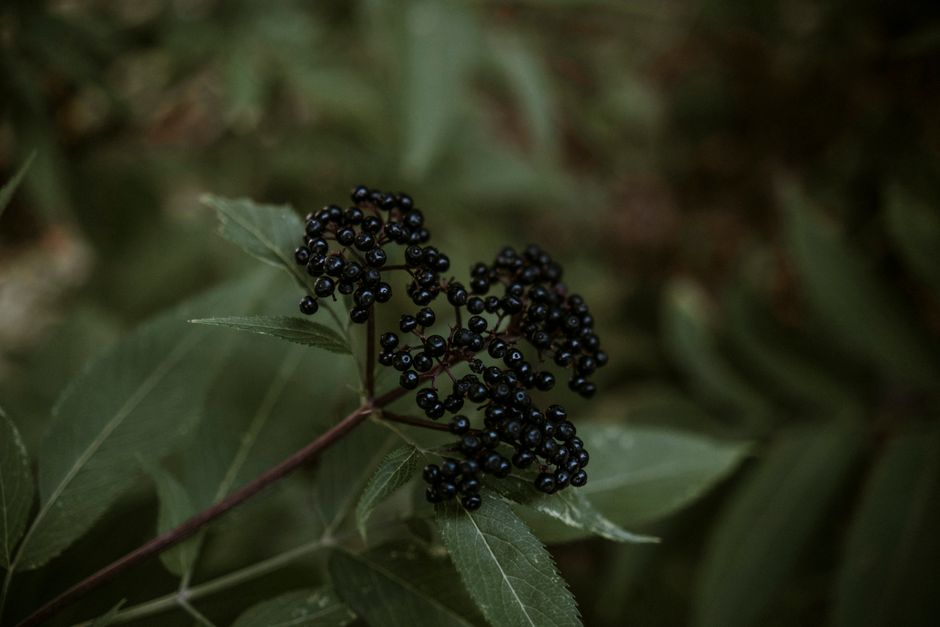
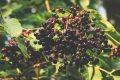
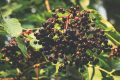
Long before pharmaceutical companies began racing to develop antiviral medications, communities across three continents were quietly relying on a dark, clustered berry to manage seasonal illness. Sambucus nigra — commonly known as elderberry — belongs to the Adoxaceae plant family and has been cultivated and harvested for therapeutic purposes across Europe, Asia, and the Americas for thousands of years. The plant itself is remarkably versatile, growing as either a multi-stemmed shrub or a modest tree that can reach 30 feet in height, producing both medicinally useful flowers in spring and deeply pigmented berry clusters in late summer.
- Scientific classification: Sambucus nigra, family Adoxaceae — a plant with documented medicinal use stretching back to ancient civilizations.
- Peer-reviewed clinical trials suggest elderberry supplementation may reduce influenza duration by up to four days when initiated promptly after symptom onset.
- Different parts of the plant — flowers, berries, bark, and leaves — have historically served separate and distinct therapeutic functions.
- Raw, unprocessed elderberries contain cyanogenic glycosides that become safe only after proper cooking or commercial processing.
- Standardized elderberry preparations are now widely available through pharmacies, health food retailers, and online platforms in multiple delivery formats.
From Ancient Herbalism to Modern Pharmacognosy
The elder tree’s reputation as a healing plant is not a recent wellness trend — it is one of the most consistently documented botanical medicines in recorded history. Ancient Greek physicians referenced it in their writings, and Pliny the Elder catalogued its uses in his encyclopedic first-century work Naturalis Historia. What makes this history particularly striking to contemporary researchers is not just its length, but its geographic consistency: healers working independently across vastly different cultures arrived at remarkably similar conclusions about which conditions the plant could address.
A Cross-Cultural Healing Tradition
Ancient Egyptians incorporated elderberry preparations into cosmetic and wound-healing practices, applying poultices derived from the plant to treat burns and skin blemishes. In medieval Europe, elder bark was a standard component of apothecary formulas, used as both a diuretic and a purgative, while elderflower water served as a common remedy for eye irritation and skin inflammation. Across the Atlantic, Cherokee healers independently developed elderberry-based treatments for fever and respiratory illness, and Iroquois communities used various parts of the plant in both ceremonial and practical medical contexts. This parallel development across cultures — without any possibility of shared knowledge — is precisely the kind of cross-cultural convergence that modern ethnobotanists find most scientifically significant.
Identifying the Elder Plant in the Wild
For those interested in foraging or simply understanding what they are purchasing, knowing how to identify Sambucus nigra correctly is essential. The plant favors moist, fertile soils and is most commonly encountered along stream banks, at woodland margins, and in disturbed areas such as roadsides and field edges throughout temperate regions of the Northern Hemisphere. Its compound leaves typically consist of five to seven serrated leaflets arranged along a central stem, and when crushed, they release a strong, somewhat unpleasant odor. Foragers must exercise genuine caution: water hemlock and certain other toxic plants share similar habitats and can closely resemble elder during early growth stages, making expert identification critical before any wild harvesting takes place.
Breaking Down the Chemistry: What Actually Makes Elderberry Work
The shift from folk remedy to subject of serious scientific inquiry has been driven largely by advances in phytochemical analysis — the systematic study of biologically active compounds found in plants. Elderberries have proven to be a particularly rich source of several compound classes that researchers now understand to have meaningful effects on human immune function and cellular health.
The Primary Bioactive Constituents
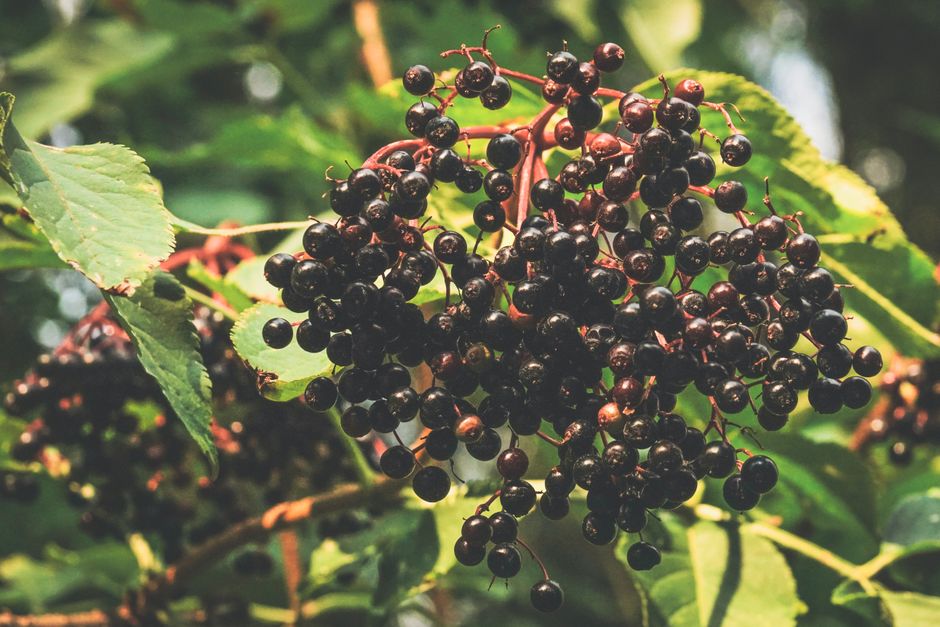
- Anthocyanins: These water-soluble plant pigments — specifically cyanidin-3-glucoside and cyanidin-3-sambubioside — give elderberries their characteristic deep purple-black color and have demonstrated measurable antiviral and anti-inflammatory activity in controlled laboratory studies.
- Flavonoids: Compounds including quercetin and rutin contribute to vascular integrity and play a documented role in modulating the signaling pathways that govern immune activation and resolution.
- Vitamin C: A standard serving of elderberries delivers a meaningful portion of the recommended daily intake of ascorbic acid, a nutrient essential to collagen production and the optimal functioning of immune cells including neutrophils and lymphocytes.
- Dietary fiber: Both soluble and insoluble fiber fractions support a diverse gut microbiome, and emerging research increasingly links microbiome health to the overall competence and responsiveness of the immune system.
- Phenolic acids: Compounds such as chlorogenic acid have shown preliminary antimicrobial and anti-inflammatory activity, adding another layer to elderberry’s broad bioactive profile.
The Mechanism: How Elderberry May Intercept Viral Infection
One of the more compelling hypotheses emerging from laboratory research concerns the way anthocyanin molecules may physically interact with influenza virus particles. Several studies have proposed that these pigment compounds can bind to proteins on the outer surface of viral particles, effectively blocking the virus from docking with and penetrating host respiratory cells. If confirmed through further mechanistic research, this would represent a mode of action fundamentally different from that of conventional antiviral drugs like oseltamivir, which primarily inhibit the enzyme neuraminidase to prevent newly formed viral copies from escaping infected cells. Elderberry’s potential to act at the entry stage of infection — before replication even begins — makes it a subject of genuine scientific interest rather than mere nutritional curiosity.
Separately, elderberry extracts have been shown in multiple studies to stimulate cytokine production. Cytokines are small signaling proteins that coordinate the body’s immune response, directing immune cells toward sites of infection and regulating the intensity and duration of inflammatory responses. Elevated cytokine activity in the early hours of an infection can meaningfully accelerate the body’s containment of a pathogen — which may help explain the reduction in symptom duration observed in clinical trials.
For those looking to take the next step, Become an Ultimate Master of your life is a resource worth exploring.

For those looking to take the next step, Heal your past, design your future is a resource worth exploring.
What Clinical Research Has Actually Demonstrated
Moving beyond laboratory findings and historical anecdote, a growing body of human clinical trials has begun to establish what elderberry supplementation can and cannot reliably accomplish in real-world settings. The research base is still developing compared to that supporting established pharmaceutical antivirals, but several well-constructed studies offer substantive data.
Evidence From Randomized Controlled Trials
A frequently cited 2016 randomized, double-blind, placebo-controlled trial recruited international air travelers — a population at elevated risk for upper respiratory infection due to prolonged exposure to recirculated air and crowded conditions. Participants who took standardized elderberry extract before and during travel reported significantly shorter cold duration and meaningfully lower symptom severity scores compared to those receiving placebo. An earlier landmark study published in 2004 examined elderberry extract use during a confirmed influenza B outbreak and found that participants using the extract recovered an average of four days sooner than control group members. A 2019 meta-analysis pooling data from multiple trials concluded that elderberry supplementation substantially reduced both the duration and severity of upper respiratory symptoms, with effect sizes comparable to or exceeding those of several over-the-counter cold remedies.
Important Limitations and Honest Caveats
Responsible evaluation of the elderberry research requires acknowledging its limitations. Many existing trials have been conducted with relatively small participant groups, making it difficult to draw definitive population-wide conclusions. Standardization of elderberry preparations varies considerably across studies, complicating direct comparisons between findings. Some early research was funded by manufacturers of elderberry products, introducing potential conflicts of interest that warrant scrutiny. Additionally, while elderberry appears safe for most healthy adults and children when used as directed, individuals with autoimmune conditions should consult a qualified healthcare provider before use, since the cytokine-stimulating effects that make elderberry useful against infection could theoretically exacerbate conditions driven by immune overactivation.
Practical Guide to Elderberry Products and Preparation
The commercial elderberry market has expanded dramatically over the past decade, and consumers now encounter an array of delivery formats ranging from traditional syrups to gummy supplements, lozenges, capsules, teas, and even elderberry-infused functional beverages. Understanding the differences between these formats matters for anyone hoping to use elderberry therapeutically rather than simply as a flavored supplement.
Choosing the Right Format for Your Needs
Elderberry syrup remains the most widely studied commercial format and the one with the longest track record of use. High-quality syrups typically combine elderberry extract with complementary ingredients such as raw honey, cinnamon, cloves, and ginger — each of which carries its own modest antimicrobial or anti-inflammatory profile. When evaluating a syrup, look for products that specify the concentration of elderberry extract and ideally reference a standardized anthocyanin content. Capsule and tablet formats offer convenience and precise dosing but may sacrifice some of the synergistic compounds present in whole-berry preparations. Gummy formats, while popular especially for children, frequently contain added sugars and lower active compound concentrations than syrups or capsules.
The Critical Importance of Proper Preparation
Raw elderberries — whether freshly foraged or purchased — must never be consumed without cooking. The berries, along with the plant’s leaves, bark, and unripe fruit, contain cyanogenic glycosides: naturally occurring compounds that the body can convert into hydrogen cyanide. Ingestion of raw or underprocessed elderberries has caused documented cases of nausea, vomiting, and in severe instances, more serious toxic reactions. Thorough cooking breaks down these compounds and renders the berries entirely safe. All reputable commercial elderberry products undergo processing that eliminates this concern, but home preparers should follow established recipes that include a sustained cooking step rather than simply blending raw berries into smoothies or juices.
Suggested Dosing Frameworks From Clinical Literature
No universally agreed-upon dosing standard for elderberry supplementation currently exists, but clinical trials provide useful reference points. For acute illness management — meaning use at the first appearance of cold or flu symptoms — studies have typically employed doses equivalent to 600 to 900 milligrams of elderberry extract daily, divided across multiple administrations, for periods of five to ten days. For preventive use during high-risk periods such as winter travel or occupational exposure to illness, lower maintenance doses taken daily for several weeks have been investigated with generally favorable safety profiles. Children’s dosing should always be weight-adjusted and ideally discussed with a pediatric healthcare provider before initiation.
Growing and Harvesting Your Own Elderberries
For gardeners and homesteaders interested in self-sufficiency, elderberry is a remarkably rewarding plant to cultivate. Named cultivars such as Bob Gordon, Adams, and Nova have been selected for superior berry yield and are widely available through specialty nurseries. The plants are fast-growing, relatively drought-tolerant once established, and benefit from cross-pollination, so planting at least two different cultivars within proximity of each other is generally recommended for optimal fruit production. Berries are ready for harvest when the entire cluster has turned uniformly deep purple-black — typically in August or September depending on location and cultivar — and should be stripped from their stems before cooking, as the stems themselves contain higher concentrations of the cyanogenic compounds found throughout the raw plant.
Final Assessment: Where Elderberry Fits in a Modern Wellness Strategy
Elderberry occupies a genuinely interesting position in contemporary preventive health: it is neither a pharmaceutical drug with precisely defined mechanisms and regulatory approval nor a purely speculative folk remedy unsupported by evidence. It sits in the evidence-supported middle ground — a botanically complex food with a documented phytochemical profile, a compelling cross-cultural history of use, and a growing body of human clinical data suggesting real, measurable benefit for immune support and respiratory illness management. Used thoughtfully, as part of a broader wellness approach that includes adequate sleep, balanced nutrition, regular physical activity, and appropriate vaccination, elderberry represents one of the more credible natural additions to a seasonal health toolkit. Used as a replacement for medical care during serious illness, it falls well short of what the evidence supports. The distinction matters — and understanding it is the foundation of using this ancient remedy wisely in a modern context.


 UACE UNEB SAMPLE PAPERS 2026Advanced Secondary
  ADVANCED LEVEL BIOLOGY, NEW CURRICULUM, SENIOR FIVEAdvanced Secondary,Biology
  Command Your Timeline: Heal the Past, Design Your FutureIntelligence,Skills Development
  SHAPTA MOCKS 2024
 Ultimate Me: Unlock Your Ultimate Potential & Energy HealingIntelligence,Skills Development
 What is ChatGPT?General
 Elderberry: The Wildcrafted Herb That Fights Illness NaturallyGeneral
 Elderberry: The Wildcrafted Herb That Heals NaturallyGeneral
 Friday Shutdown Routine That Replaced My Sunday Reset for GoodGeneral
 Turmeric: The Golden Herb That Heals From the Inside OutGeneral
 Turmeric: The Golden Herb That Heals From the Inside OutGeneral
 Best Free AI Voice Tools Available Right Now in 2025General
 Minecraft Quests & Ugandan Curriculum: Learn Through GamingGeneral
- Uganda Schools on the Brink: The Human Cost of Aid Cuts 2026General
 CapCut AI Ad Test: Is It Fast or Just Flashy?General
 Turmeric: The Golden Herb That Heals From the Inside OutGeneral
 KAKURU BENARDSample Activity of Integration on Forests, Forest resources and Forestry in Africa
- KAKURU BENARDSample Activity of Integration on Trade within and outside East Africa
 Babirye SandraO-LEVEL ENTREPRENUERSHIP,PETTY CASHBOOK ASSIGNMENT
- Babirye SandraO-LEVEL ENTREPRENUERSHIP,PETTY CASHBOOK ASSIGNMENT
- Babirye SandraO-LEVEL ENTREPRENUERSHIP,PETTY CASHBOOK ASSIGNMENT

0 responses on "Elderberry: The Ancient Immune Powerhouse You Need Now"