
Carl Jung: Explorer of the Unconscious
Carl Gustav Jung, a prominent figure in 20th-century thought, delved into the depths of the human psyche, leaving an indelible mark on our understanding of the unconscious. As a Swiss psychiatrist, psychoanalyst, and philosopher, Jung’s ideas, while initially rooted in Freudian psychoanalysis, evolved into a distinct and influential school of thought. His work continues to inspire those seeking to unravel the complexities of the human mind, impacting fields from psychotherapy to cultural studies.
Key Facts
- Full Name: Carl Gustav Jung
- Lifespan: 1875 – 1961
- Origin: Switzerland
- Areas of Focus: Psychiatry, Psychoanalysis, Depth Psychology
- Global Impact: Jung’s groundbreaking concepts, including the collective unconscious, archetypes, and the process of individuation, have reshaped our understanding of the human mind and its connection to cultural and spiritual realms. His influence spans diverse disciplines, solidifying his status as a globally significant intellectual.
Shaping Influences: Early Life
Born in Kesswil, Switzerland, Carl Jung’s childhood nurtured his profound interest in the enigma of the human psyche. His father, a pastor, and his mother, from a family steeped in spiritual traditions, created an environment that exposed him to both religious and philosophical ideas.
The Development of Jungian Psychology
Jung’s initial association with Sigmund Freud was pivotal in shaping his early career. However, their differing views on the nature of the unconscious and the role of sexuality led to a significant divergence, culminating in Jung’s development of his own unique school of thought: analytical psychology.
Key Concepts in Jungian Psychology
Jungian psychology is characterized by several core concepts that distinguish it from Freudian psychoanalysis:
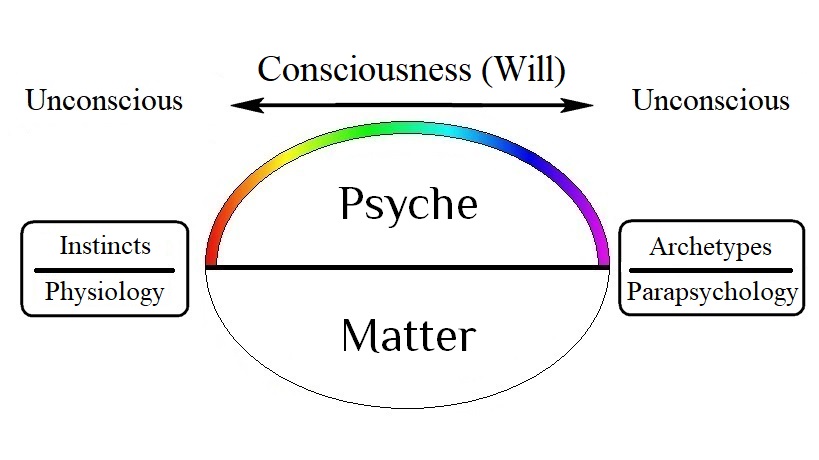
- The Collective Unconscious: A universal layer of the unconscious mind containing archetypes and inherited predispositions shared by all humanity.
- Archetypes: Universal, primordial images and patterns of behavior that reside in the collective unconscious, such as the Mother, the Hero, and the Shadow.
- Individuation: A lifelong process of psychological differentiation, involving the integration of conscious and unconscious aspects of the personality to achieve wholeness.
- Psychological Types: Jung identified different psychological types based on attitudes (introversion and extraversion) and functions (thinking, feeling, sensation, and intuition).
The Split with Freud
The parting of ways between Jung and Freud was a watershed moment in the history of psychoanalysis. Jung’s rejection of Freud’s emphasis on infantile sexuality and his focus on the collective unconscious as a source of psychological insight were central to the schism. This divergence allowed Jung to explore areas that Freud largely ignored, such as religion, mythology, and alchemy.
Jung’s Major Works and Contributions
Jung’s prolific writing career produced a wealth of influential works that continue to be studied and debated today.
- Psychological Types (1921): A seminal work that introduced Jung’s theory of psychological types and the concepts of introversion and extraversion.
- Modern Man in Search of a Soul (1933): A collection of essays exploring the spiritual and psychological challenges facing modern individuals.
- Answer to Job (1952): A controversial and deeply personal interpretation of the biblical Book of Job.
- Mysterium Coniunctionis (1955-1956): A multi-volume work exploring the alchemical symbolism of individuation.
The Legacy and Influence of Carl Jung
Carl Jung’s impact extends far beyond the realm of psychology. His ideas have influenced literature, art, religion, and popular culture. The concepts of archetypes, the collective unconscious, and individuation have become part of the common vocabulary, shaping our understanding of ourselves and the world around us.
Jungian Analysis Today
Jungian analysis continues to be practiced worldwide, offering individuals a path towards self-discovery and psychological integration. Jungian analysts work with clients to explore their dreams, symbols, and unconscious motivations, helping them to achieve greater self-awareness and wholeness.
Criticisms and Controversies
Despite his widespread influence, Jung’s work has also faced criticism. Some critics have questioned the scientific validity of his concepts, while others have raised concerns about his alleged sympathies towards Nazism during the 1930s. However, Jung’s defenders argue that his work should be understood within its historical context and that his contributions to our understanding of the human psyche are undeniable.
If you want a practical next step, you can also check out Heal your past, design your future.
If you want a practical next step, you can also check out Become an Ultimate Master of your life.


 ADVANCED LEVEL BIOLOGY, NEW CURRICULUM, SENIOR FIVEAdvanced Secondary,Biology
  Command Your Timeline: Heal the Past, Design Your FutureIntelligence,Skills Development
  SHAPTA MOCKS 2024
 Ultimate Me: Unlock Your Ultimate Potential & Energy HealingIntelligence,Skills Development
  NLSC: SENIOR THREE AGRICULTUREAgriculture,New Lower Secondary Curriculum,Ordinary Secondary
 What is ChatGPT?General
- Bridging the Digital Divide: Uganda’s Education Revolution Through Digital Literacy and Teacher TrainingGeneral
 Uganda’s Digital Leap: Transforming Primary Education Through TechnologyGeneral
- Uganda’s Education Renaissance: Combating Learning Loss and Empowering EducatorsGeneral
 The Art of the Subjective: Exploring the Nuances of Book ReviewingGeneral
 Crafting the Perfect Book Review: A Guide for Aspiring CriticsGeneral
 Unveiling the Layers: A Deep Dive into Book Reviewing Beyond Plot SummariesGeneral
 The Art of the Book Review: Beyond Summary, Towards Deeper ConnectionGeneral
 The Art of Crafting a Compelling Book Review: Beyond Summary and CritiqueGeneral
 Crafting Compelling Book Reviews: Beyond Summary, Towards InfluenceGeneral
- The Quintessential Watch Collection: A 30-Year Journey and Lessons for Ugandan LearnersGeneral
 KAKURU BENARDSample Activity of Integration on Forests, Forest resources and Forestry in Africa
- KAKURU BENARDSample Activity of Integration on Trade within and outside East Africa
 Babirye SandraO-LEVEL ENTREPRENUERSHIP,PETTY CASHBOOK ASSIGNMENT
- Babirye SandraO-LEVEL ENTREPRENUERSHIP,PETTY CASHBOOK ASSIGNMENT
- Babirye SandraO-LEVEL ENTREPRENUERSHIP,PETTY CASHBOOK ASSIGNMENT
0 responses on "Profile: Carl Jung — Life, Ideas, Teachings & Global Influence"