
Building a Brighter Tomorrow: Uganda’s Educational Transformation
Uganda is embarking on a significant journey to reshape its education system, with the aim of equipping students with the skills and knowledge necessary to thrive in the 21st century. Recognizing that education is the cornerstone of national development, the focus has shifted from simply increasing access to fostering a high-quality, relevant learning experience that prepares graduates for the demands of the modern workforce.
From Rote Learning to Real-World Application: A Curriculum Revolution
At the heart of this transformation is a comprehensive overhaul of the curriculum. The traditional emphasis on memorization is giving way to dynamic, interactive learning methods that cultivate critical thinking, problem-solving abilities, and innovative mindsets. For instance, instead of simply memorizing scientific formulas, students are engaging in hands-on experiments and projects that demonstrate the real-world applications of scientific principles. This shift is particularly evident in subjects like coding, where students are learning to build their own apps and websites, fostering creativity and digital literacy.
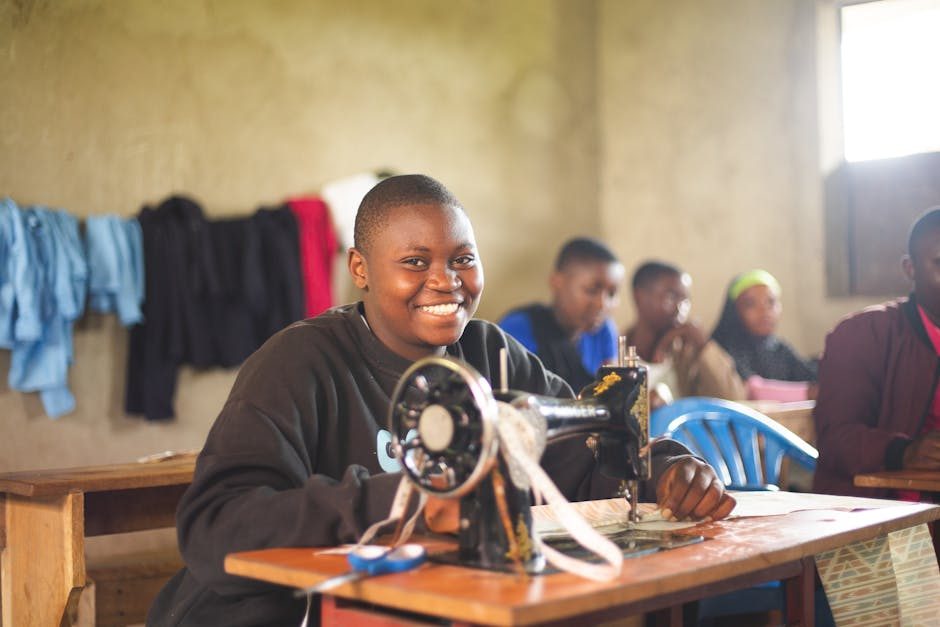
Furthermore, recognizing the diverse talents and aspirations of its students, the education system is placing greater emphasis on vocational and technical training. The government is actively investing in vocational schools and training centers, offering specialized programs in fields such as sustainable agriculture, renewable energy technology, and digital marketing. These programs provide students with practical skills that directly address the needs of local industries, offering viable pathways to employment and entrepreneurship. Imagine a program where students learn to install and maintain solar power systems, directly contributing to Uganda’s growing renewable energy sector.
Navigating Challenges, Seizing Opportunities
While significant progress is being made, Uganda’s education sector still faces considerable challenges. These include limited resources, a shortage of qualified educators, and disparities in access to quality education, particularly in rural communities. Addressing these challenges requires sustained commitment, innovative strategies, and collaborative partnerships between the government, the private sector, and civil society organizations.
Investing in Educators: Empowering the Guiding Force
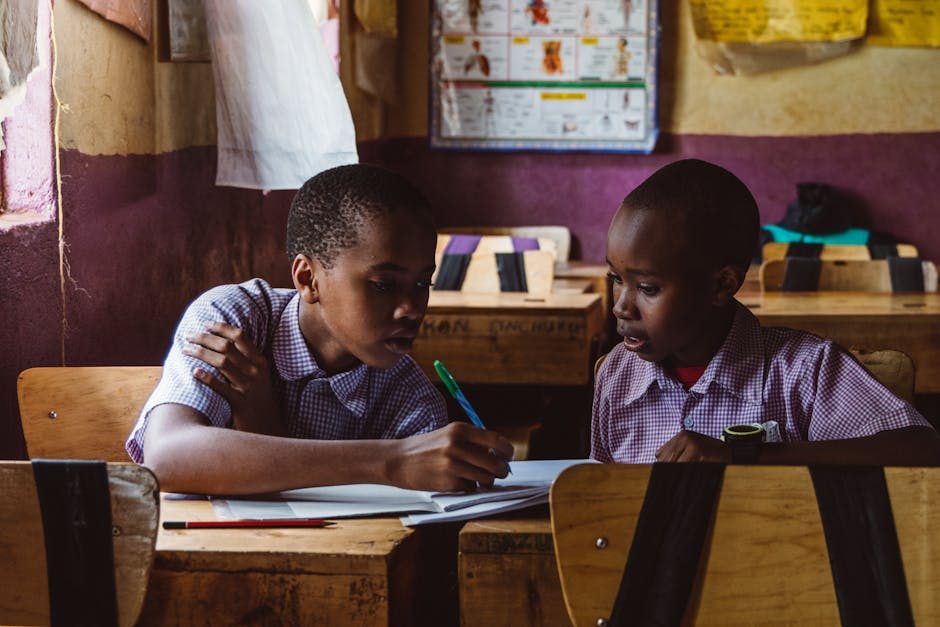
The key to unlocking the potential of Uganda’s education system lies in investing in its teachers. Comprehensive teacher training programs are essential to equip educators with the latest teaching methodologies, subject matter expertise, and effective classroom management techniques. Moreover, providing ongoing professional development opportunities, such as workshops and mentorship programs, can help teachers stay motivated, adapt to evolving educational needs, and inspire their students. Imagine a program where experienced teachers mentor new educators, sharing best practices and providing guidance to ensure a high standard of instruction.
Harnessing the Power of Technology: Bridging the Digital Divide
Technology has the potential to revolutionize education in Uganda by expanding access to learning resources, personalizing instruction, and fostering collaboration. Initiatives such as online learning platforms, digital libraries, and interactive educational software can supplement traditional classroom instruction and reach students in remote areas. For example, students in rural schools could access virtual science labs, conduct simulated experiments, and collaborate with students from other parts of the country. However, it is crucial to ensure equitable access to technology and provide adequate training for both teachers and students to maximize the benefits of these innovations. This includes addressing issues such as internet connectivity and the availability of appropriate hardware and software.
Higher Education: Fueling Innovation and Growth
Universities and colleges play a pivotal role in nurturing future leaders and driving national development. These institutions are increasingly focusing on research and innovation, fostering entrepreneurship, and forging partnerships with industry to ensure that graduates possess the skills and knowledge needed to contribute to economic growth and address societal challenges.
Driving Research and Innovation: Solving Local Problems with Global Solutions
Investing in research and development is essential for addressing Uganda’s unique challenges and creating new opportunities. Higher education institutions should prioritize research in areas such as sustainable agriculture, affordable healthcare, and renewable energy, and encourage the translation of research findings into practical applications. Supporting innovation hubs and incubators can also help to foster a culture of entrepreneurship and drive the creation of new businesses and jobs. For example, a university could establish a research center focused on developing drought-resistant crops, helping farmers adapt to climate change and improve food security.

Building Bridges Between Academia and Industry: A Collaborative Approach
Strong collaboration between universities and industry is vital for ensuring that academic programs are aligned with the needs of the labor market. Partnerships can involve internships, joint research projects, and curriculum development initiatives. By working closely with employers, higher education institutions can ensure that graduates possess the skills and knowledge needed to succeed in their chosen fields and contribute to the growth of the Ugandan economy. Imagine a partnership where students work on real-world projects for local businesses, gaining valuable experience and contributing to the company’s success.
If you want a practical next step, you can also check out Heal your past, design your future.
If you want a practical next step, you can also check out Become an Ultimate Master of your life.


 ADVANCED LEVEL BIOLOGY, NEW CURRICULUM, SENIOR FIVEAdvanced Secondary,Biology
  Command Your Timeline: Heal the Past, Design Your FutureIntelligence,Skills Development
  SHAPTA MOCKS 2024
 Ultimate Me: Unlock Your Ultimate Potential & Energy HealingIntelligence,Skills Development
  NLSC: SENIOR THREE AGRICULTUREAgriculture,New Lower Secondary Curriculum,Ordinary Secondary
 What is ChatGPT?General
- Bridging the Digital Divide: Uganda’s Education Revolution Through Digital Literacy and Teacher TrainingGeneral
 Uganda’s Digital Leap: Transforming Primary Education Through TechnologyGeneral
- Uganda’s Education Renaissance: Combating Learning Loss and Empowering EducatorsGeneral
 The Art of the Subjective: Exploring the Nuances of Book ReviewingGeneral
 Crafting the Perfect Book Review: A Guide for Aspiring CriticsGeneral
 Unveiling the Layers: A Deep Dive into Book Reviewing Beyond Plot SummariesGeneral
 The Art of the Book Review: Beyond Summary, Towards Deeper ConnectionGeneral
 The Art of Crafting a Compelling Book Review: Beyond Summary and CritiqueGeneral
 Crafting Compelling Book Reviews: Beyond Summary, Towards InfluenceGeneral
- The Quintessential Watch Collection: A 30-Year Journey and Lessons for Ugandan LearnersGeneral
 KAKURU BENARDSample Activity of Integration on Forests, Forest resources and Forestry in Africa
- KAKURU BENARDSample Activity of Integration on Trade within and outside East Africa
 Babirye SandraO-LEVEL ENTREPRENUERSHIP,PETTY CASHBOOK ASSIGNMENT
- Babirye SandraO-LEVEL ENTREPRENUERSHIP,PETTY CASHBOOK ASSIGNMENT
- Babirye SandraO-LEVEL ENTREPRENUERSHIP,PETTY CASHBOOK ASSIGNMENT

0 responses on "Uganda Education: Bridging the Skills Gap and Preparing Students for the Future of Work"