

Beyond the Supermarket: Rediscovering Wildcrafting
Imagine bypassing the grocery store aisles and stepping directly into nature’s pantry and pharmacy. Wildcrafting, the art of harvesting wild plants for food and medicine, offers just that. It’s an ancient practice experiencing a resurgence, fueled by a desire for natural remedies, sustainable living, and a deeper connection with the environment. But wildcrafting is more than just picking pretty flowers; it’s a journey of learning, respect, and responsible stewardship.
This guide provides a foundational understanding of wildcrafting, emphasizing ethical practices, accurate plant identification, and the safe application of wild herbs for wellness.
Preparation is key. Before venturing out, equip yourself with knowledge. A regional field guide is your best friend. For instance, if you live in the Pacific Northwest, look for a guide specific to that area, detailing edible and medicinal plants common there, such as Salmonberry and Oregon Grape. Learn to differentiate these from poisonous look-alikes like Water Hemlock. Consider this knowledge as important as knowing first aid. A preparedness mindset will make you a responsible forager.
Respect the Source: The Ethos of Sustainable Harvesting
Ethical wildcrafting isn’t simply about following laws; it’s about embodying a deep respect for the natural world. Think of yourself as a guest in a delicate ecosystem. Your actions should leave a minimal footprint, ensuring the long-term health and abundance of the plant communities you interact with.
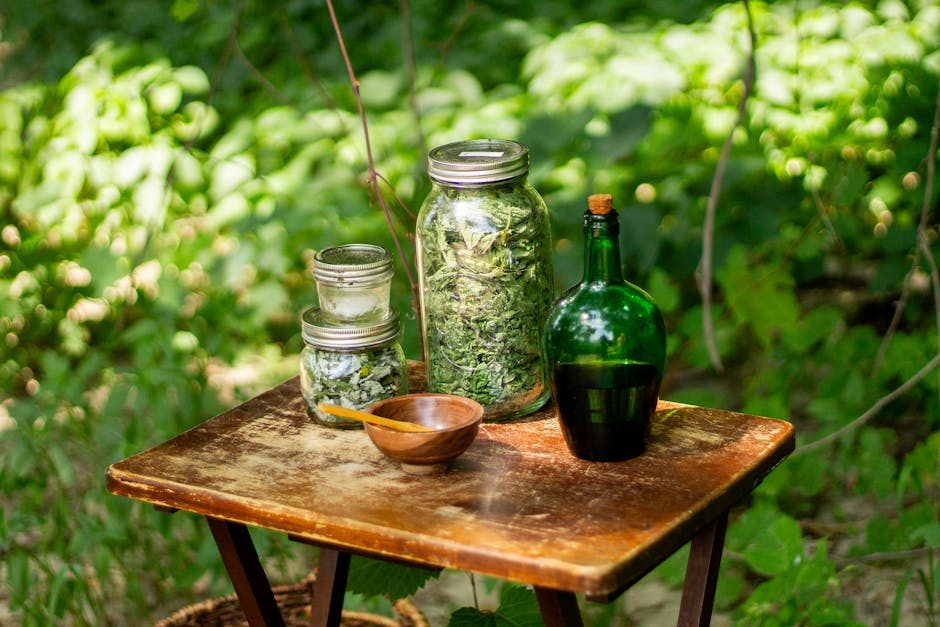
Practical Guidelines for Responsible Foraging
- Seek Consent: Always obtain explicit permission to harvest on private property. For public lands, research local regulations. Some parks prohibit any harvesting, while others allow it with restrictions.
- Confirm Identification: Never ingest or use a plant unless you are 100% certain of its identity. Use multiple resources to verify.
- Harvest Conservatively: A general rule is the ‘one-tenth’ rule: never harvest more than 10% of a plant population in a given area. This ensures the plant can regenerate and thrive.
- Protect Habitats: Be mindful of your surroundings. Avoid trampling other plants, disturbing soil, or damaging sensitive areas like wetlands or stream banks.
- Leave No Trace Behind: Carry out everything you bring in, including trash, packaging, and any waste generated during your foraging activities.
Decoding Nature’s Language: Mastering Plant Identification
Accurate plant identification is non-negotiable in wildcrafting. A misidentification can lead to unpleasant or even dangerous consequences. Therefore, dedicating time to mastering plant identification skills is paramount.
Tools and Techniques for Plant ID
- Regional Field Guides: Invest in field guides tailored to your specific geographic area. These guides provide detailed descriptions and illustrations of local plants, including key identifying features.
- Online Databases: Supplement your field guide with reputable online resources, such as university botany websites or botanical garden databases.
- Mentorship: Seek guidance from experienced foragers or herbalists in your area. Hands-on learning and mentorship can accelerate your plant identification skills.
- Botanical Keys: Learn to use dichotomous keys, which are systematic tools that guide you through a series of choices based on plant characteristics, leading to accurate identification.
Observing Key Plant Characteristics
When identifying plants, pay close attention to these features:
- Leaf Morphology: Observe the shape, size, arrangement (alternate, opposite, whorled), margin (smooth, serrated), and texture of the leaves.
- Floral Structure: Note the color, shape, number of petals, arrangement of flowers (e.g., in clusters, solitary), and presence of any distinctive scents.
- Stem Characteristics: Examine the stem’s height, texture (smooth, hairy, prickly), branching pattern, and presence of any unique features like thorns or wings.
- Fruit and Seed Details: Observe the shape, size, color, and taste (if known to be edible) of the fruits and seeds. Note their arrangement and any distinctive features.
- Habitat Preferences: Consider the plant’s typical habitat (e.g., woodland, meadow, wetland, roadside). This can provide valuable clues to its identity.
From Forest to First Aid: Harnessing Herbal Remedies
Wildcrafting opens the door to creating your own natural remedies. Many wild plants possess medicinal properties that can be used to support health and well-being. However, it’s essential to approach herbal medicine with caution, respect, and a commitment to safety.
Examples of Wildcrafted Herbs and Their Applications
| Herb | Preferred Habitat | Traditional Uses | Important Precautions |
|---|---|---|---|
| Dandelion (Taraxacum officinale) | Lawns, fields, roadsides | Digestive aid, liver support, diuretic | Generally safe, but may interact with certain medications. |
| Elderflower (Sambucus canadensis) | Moist thickets, woodland edges | Immune support, antiviral, anti-inflammatory | Raw berries and other plant parts are toxic. Only use properly prepared flowers or cooked berries. |
| Calendula (Calendula officinalis) | Gardens, disturbed soil | Skin healing, anti-inflammatory, wound care | May cause allergic reactions in individuals sensitive to the Asteraceae family. |
Essential Safety Considerations
- Consult with Experts: Before using any herbal remedy, especially if you have pre-existing health conditions, are pregnant or breastfeeding, or are taking medications, consult with a qualified healthcare professional or experienced herbalist.
- Start with Small Doses: When trying a new herbal remedy, begin with a small dose to assess your tolerance and identify any potential allergic reactions.
- Learn Proper Preparation Methods: Understand the correct methods for preparing herbal remedies, such as infusions, decoctions, tinctures, salves, and poultices. Incorrect preparation can reduce efficacy or even render the remedy unsafe.
- Ensure Proper Storage: Store your herbal remedies in airtight containers in a cool, dark, and dry place to maintain their potency and prevent spoilage. Label each remedy clearly with the plant name, date of harvest, and preparation method.
If you want a practical next step, you can also check out Heal your past, design your future.
If you want a practical next step, you can also check out Become an Ultimate Master of your life.


 ADVANCED LEVEL BIOLOGY, NEW CURRICULUM, SENIOR FIVEAdvanced Secondary,Biology
  Command Your Timeline: Heal the Past, Design Your FutureIntelligence,Skills Development
  SHAPTA MOCKS 2024
 Ultimate Me: Unlock Your Ultimate Potential & Energy HealingIntelligence,Skills Development
  NLSC: SENIOR THREE AGRICULTUREAgriculture,New Lower Secondary Curriculum,Ordinary Secondary
 What is ChatGPT?General
- Bridging the Digital Divide: Uganda’s Education Revolution Through Digital Literacy and Teacher TrainingGeneral
 Uganda’s Digital Leap: Transforming Primary Education Through TechnologyGeneral
- Uganda’s Education Renaissance: Combating Learning Loss and Empowering EducatorsGeneral
 The Art of the Subjective: Exploring the Nuances of Book ReviewingGeneral
 Crafting the Perfect Book Review: A Guide for Aspiring CriticsGeneral
 Unveiling the Layers: A Deep Dive into Book Reviewing Beyond Plot SummariesGeneral
 The Art of the Book Review: Beyond Summary, Towards Deeper ConnectionGeneral
 The Art of Crafting a Compelling Book Review: Beyond Summary and CritiqueGeneral
 Crafting Compelling Book Reviews: Beyond Summary, Towards InfluenceGeneral
- The Quintessential Watch Collection: A 30-Year Journey and Lessons for Ugandan LearnersGeneral
 KAKURU BENARDSample Activity of Integration on Forests, Forest resources and Forestry in Africa
- KAKURU BENARDSample Activity of Integration on Trade within and outside East Africa
 Babirye SandraO-LEVEL ENTREPRENUERSHIP,PETTY CASHBOOK ASSIGNMENT
- Babirye SandraO-LEVEL ENTREPRENUERSHIP,PETTY CASHBOOK ASSIGNMENT
- Babirye SandraO-LEVEL ENTREPRENUERSHIP,PETTY CASHBOOK ASSIGNMENT

0 responses on "Wildcrafting: A Beginner's Guide to Ethical Foraging and Herbal Remedies"