
Yarrow: The Ancient Herb for Modern Wellness
For centuries, Achillea millefolium, or yarrow, has been a staple in traditional medicine, revered for its remarkable healing properties. Far beyond a simple weed, yarrow is a powerhouse of natural compounds with applications ranging from first aid to digestive support. This guide delves into the world of yarrow, exploring its unique characteristics, diverse uses, and essential safety precautions, empowering you to harness its potential for enhanced well-being.
Decoding Yarrow: Identifying this Botanical Treasure
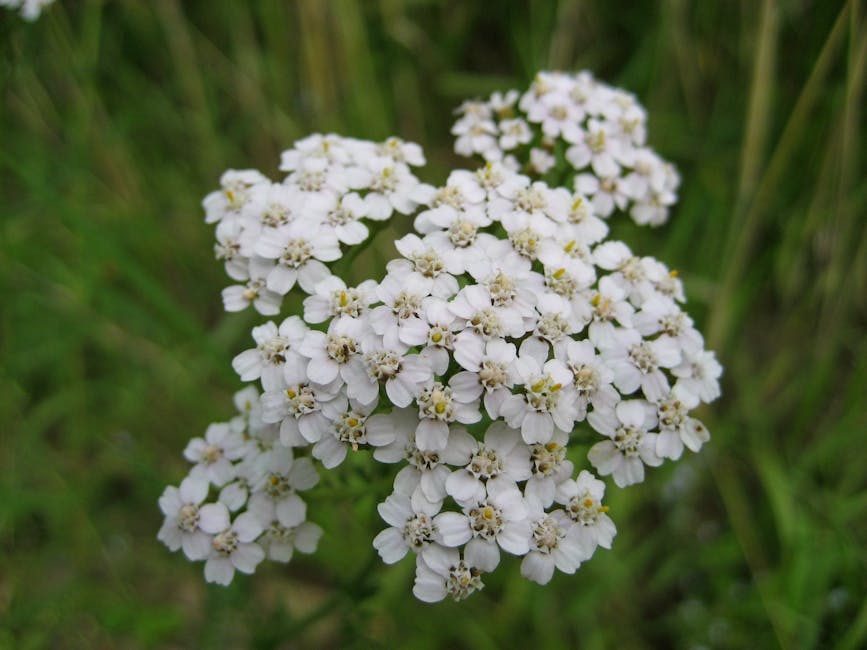
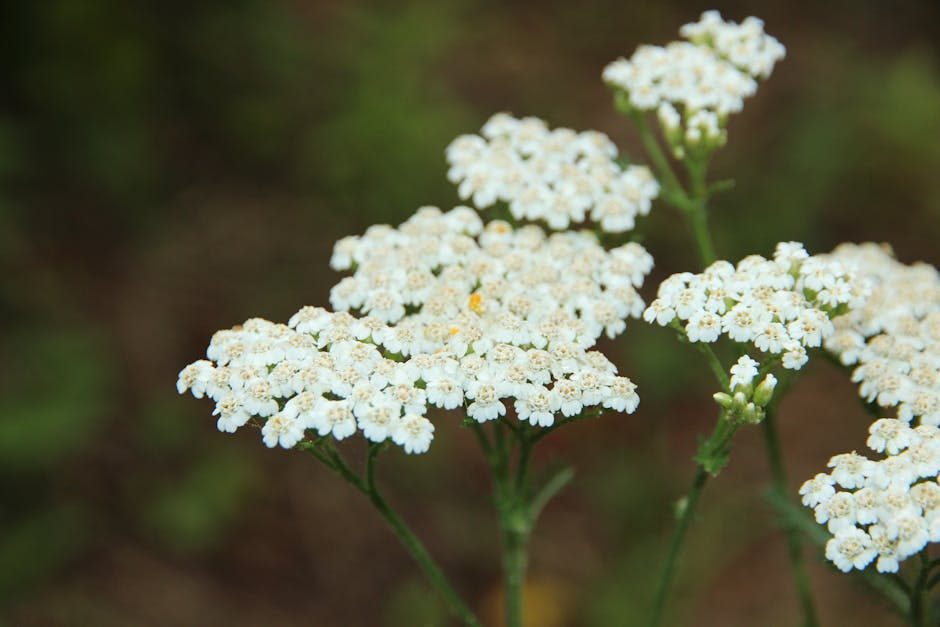
Before incorporating any herb into your wellness routine, accurate identification is paramount. Yarrow’s distinctive feathery leaves, reminiscent of delicate ferns, make it relatively easy to spot. These leaves are the source of its Latin name, “millefolium,” signifying “thousand leaves.” The plant typically grows to a height of 1 to 3 feet and showcases clusters of tiny, tightly packed flowers. These blooms are most commonly white but can also display shades of pink or even yellow, depending on the specific variety and environmental factors. Yarrow thrives in sunny locations with well-drained soil and is frequently found in meadows, fields, and along roadsides throughout North America, Europe, and Asia. Imagine stumbling upon a patch of yarrow while hiking – its gentle fragrance and delicate beauty are truly captivating.
Key Identification Features:
- Leaves: Finely divided, feather-like appearance, and lance-shaped. Think of delicate fern fronds.
- Flowers: Small, clustered tightly together, predominantly white (but color variations exist).
- Stem: Straight and covered in soft, fine hairs.
- Scent: Aromatic, with a slightly pungent, herbal fragrance.
The Science Behind Yarrow’s Healing Power
Yarrow’s therapeutic benefits stem from its rich composition of active compounds. Flavonoids contribute to its anti-inflammatory and antioxidant effects, while alkaloids may offer pain relief. Volatile oils, including chamazulene, are renowned for their anti-inflammatory and wound-healing properties. The synergistic interaction of these compounds makes yarrow a versatile remedy for a range of ailments. It’s like a natural pharmacy packed into a single plant!
Exploring Yarrow’s Traditional Applications:
- Wound Care: Historically used to stop bleeding and accelerate the healing of cuts, scrapes, and burns. Its astringent properties constrict blood vessels, while its anti-inflammatory compounds soothe irritated tissues. Imagine using it on a minor hiking scrape.
- Digestive Support: Yarrow can alleviate digestive discomfort, such as bloating, gas, and indigestion. Its bitter compounds stimulate digestive secretions, promoting healthy digestion. Think of it as a natural digestive aid after a heavy meal.
- Fever Management: Yarrow possesses diaphoretic properties, inducing sweating to help lower fever.
- Menstrual Health: Traditionally used to regulate menstrual cycles and ease menstrual cramps, offering natural relief.
- Inflammation Reduction: Chamazulene contributes to its anti-inflammatory properties, making it beneficial for conditions like arthritis and eczema.
Harnessing Yarrow: Forms and Preparations
Yarrow’s versatility allows for various methods of use, tailored to the intended application. Common preparations include:

- Tea: Steep dried yarrow flowers and leaves in hot water for a soothing tea, often used for digestive issues and fever reduction.
- Tincture: A concentrated extract of yarrow, taken orally for targeted support.
- Salve or Ointment: Applied topically to wounds, burns, and skin irritations for localized relief.
- Compress: Yarrow tea can be applied as a compress to soothe inflamed areas.
Important Safety Guidelines and Potential Side Effects
While yarrow is generally safe, awareness of potential precautions is crucial:
- Allergies: Individuals allergic to plants in the Asteraceae/Compositae family (e.g., ragweed, chrysanthemums, marigolds) may also react to yarrow.
- Pregnancy and Breastfeeding: Avoid yarrow during pregnancy and breastfeeding due to limited safety data.
- Photosensitivity: Yarrow may increase sensitivity to sunlight in some individuals, so be mindful of sun exposure.
- Drug Interactions: Yarrow may interact with blood thinners and sedatives. Consult a healthcare professional if you are taking medications.
This information is intended for educational purposes only and does not substitute professional medical advice. Always consult with a qualified healthcare provider before using any herbal remedy, especially if you have underlying health conditions or are taking medications.
If you want a practical next step, you can also check out Heal your past, design your future.
If you want a practical next step, you can also check out Become an Ultimate Master of your life.


 UACE UNEB SAMPLE PAPERS 2026Advanced Secondary
  ADVANCED LEVEL BIOLOGY, NEW CURRICULUM, SENIOR FIVEAdvanced Secondary,Biology
  Command Your Timeline: Heal the Past, Design Your FutureIntelligence,Skills Development
  SHAPTA MOCKS 2024
 Ultimate Me: Unlock Your Ultimate Potential & Energy HealingIntelligence,Skills Development
 What is ChatGPT?General
 Digital Literacy in Uganda: Why Schools Are Falling BehindGeneral
 Elderberry: The Wildcrafted Herb That Heals NaturallyGeneral
 Turmeric: The Golden Herb That Heals From the Inside OutGeneral
 Turmeric: The Golden Herb That Heals From the Inside OutGeneral
 Closing the Skills Gap: How Industry-Led Skilling Shapes Your FutureGeneral
 Turmeric: The Golden Herb That Heals From the Inside OutGeneral
 Turmeric: The Golden Herb That Heals From the Inside OutGeneral
- BookTok’s Hidden Power: How Readers Are Rewriting Their LivesGeneral
 Susan Grau: Trapped in a Freezer at 4 — Her NDE Changed EverythingGeneral
 How Uganda Students Can Master Exams & Transform Their LearningGeneral
 KAKURU BENARDSample Activity of Integration on Forests, Forest resources and Forestry in Africa
- KAKURU BENARDSample Activity of Integration on Trade within and outside East Africa
 Babirye SandraO-LEVEL ENTREPRENUERSHIP,PETTY CASHBOOK ASSIGNMENT
- Babirye SandraO-LEVEL ENTREPRENUERSHIP,PETTY CASHBOOK ASSIGNMENT
- Babirye SandraO-LEVEL ENTREPRENUERSHIP,PETTY CASHBOOK ASSIGNMENT

0 responses on "Yarrow: Nature's Potent Wound Healer and More"