
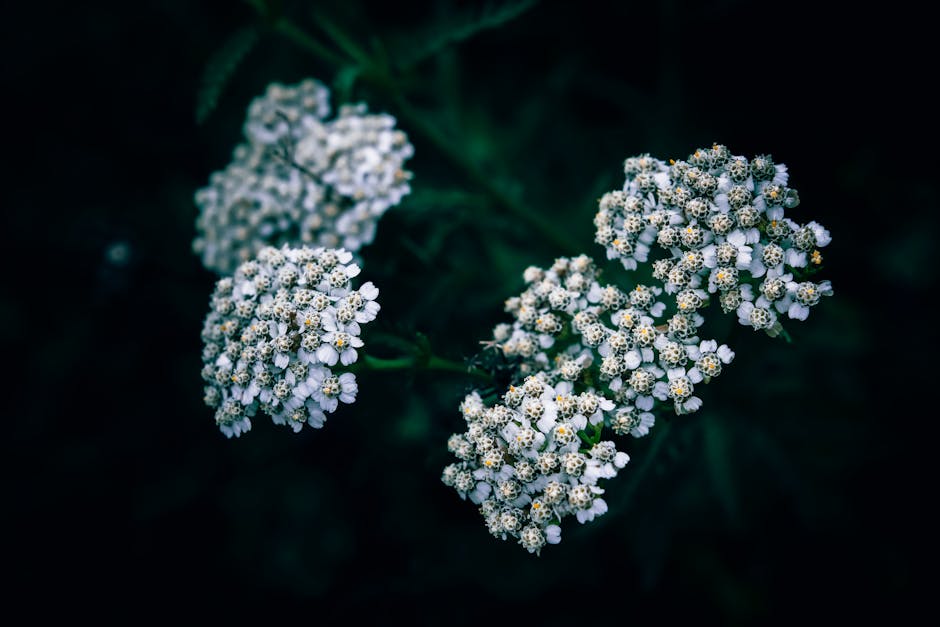
Yarrow: A Botanical Bridge Across Time
Yarrow, scientifically known as Achillea millefolium, is far more than just a wildflower dotting meadows and roadsides. It’s a living testament to the enduring power of nature’s pharmacy, a plant whose story stretches back millennia and continues to unfold in modern wellness practices. Imagine a single herb used by Achilles to treat wounded soldiers, and now brewed into a calming tea – that’s the remarkable versatility of yarrow. This article delves into the multifaceted world of yarrow, exploring its historical significance, practical uses, identifying features, and essential safety guidelines.
Echoes of the Past: Yarrow Through the Ages
The name Achillea millefolium itself is a clue to yarrow’s rich history. Legend has it that the Greek hero Achilles used yarrow to staunch the bleeding of his soldiers’ wounds during the Trojan War. But yarrow’s story extends far beyond ancient Greece. Archaeological evidence suggests Neanderthals utilized yarrow for medicinal purposes as far back as 60,000 years ago! Across cultures and continents, yarrow has been known by a variety of evocative names, each reflecting its primary uses: ‘woundwort,’ ‘soldier’s woundwort,’ and ‘nosebleed plant’ are just a few examples, highlighting its effectiveness in treating injuries and controlling bleeding.
Decoding Yarrow: How to Identify This Beneficial Herb
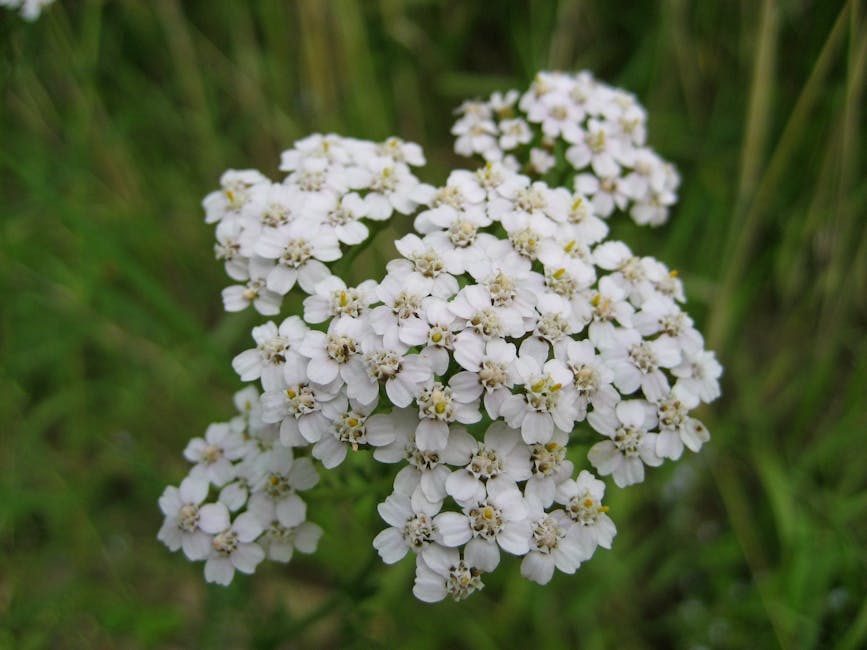
Before incorporating any wild plant into your wellness routine, accurate identification is critical. Yarrow is a perennial plant that typically grows to a height of 1 to 3 feet. Its most distinctive feature is its finely divided, feathery leaves, which give it a delicate, almost fern-like appearance. This characteristic is reflected in its species name, millefolium, which translates to ‘thousand leaves’.
Identifying Characteristics:
- Leaves: Finely dissected, feathery, lance-shaped – like tiny combs.
- Flowers: Small, densely packed in flat-topped clusters called corymbs; most often white, but can range to shades of pink or yellow.
- Stem: Upright, slightly hairy, and sturdy.
- Height: Typically 1 to 3 feet tall.
Yarrow thrives in sunny, well-drained locations, commonly found in meadows, fields, and alongside roads. A crucial caution: be absolutely sure of your identification! Poison hemlock, a deadly plant, can resemble yarrow. When in doubt, consult with a knowledgeable herbalist or botanist.
Yarrow’s Arsenal of Benefits: A Modern Perspective
Yarrow’s therapeutic properties stem from its complex chemical makeup, which includes flavonoids, alkaloids, tannins, and volatile oils. These compounds work synergistically to deliver a range of benefits, including anti-inflammatory, antiseptic, antispasmodic, and astringent actions. Think of it as nature’s multi-tool for well-being.
Applications, Past and Present:
- Wound Care: From ancient battlefields to modern first-aid kits, yarrow’s ability to stop bleeding and accelerate tissue repair remains highly valued. Consider a yarrow-infused oil for minor cuts or scrapes.
- Digestive Harmony: Yarrow can soothe digestive upsets like bloating, gas, and indigestion. Its bitter compounds stimulate digestive juices, promoting healthy gut function. A cup of yarrow tea after a meal can be a gentle digestive aid.
- Fever Management: Yarrow is a diaphoretic, meaning it encourages sweating, which can help reduce fever during colds and flu. A warm yarrow tea can be a comforting remedy during illness.
- Menstrual Comfort: Yarrow can help regulate menstrual cycles and ease menstrual cramps. Some believe it has a toning effect on the uterus.
- Inflammation Relief: The anti-inflammatory properties of yarrow can alleviate pain and swelling associated with conditions like arthritis and muscle soreness.
Incorporating Yarrow into Your Life: Practical Methods
Yarrow can be prepared and used in a variety of ways:
- Yarrow Tea: Steep dried yarrow flowers and leaves in hot water for 10-15 minutes, strain, and enjoy.
- Yarrow Tincture: An alcohol-based extract, providing a concentrated dose of yarrow’s beneficial compounds.
- Yarrow Ointment/Salve: For direct application to minor wounds, burns, and skin irritations.
- Yarrow Compress/Poultice: Fresh or dried yarrow applied directly to the skin for localized relief.
- Yarrow Essential Oil: Used in aromatherapy (always diluted in a carrier oil) for its calming and anti-inflammatory properties.
Navigating Yarrow Safely: Precautions and Considerations
While yarrow is generally considered safe, it’s crucial to be aware of potential precautions:
- Allergies: Individuals allergic to plants in the Asteraceae/Compositae family (ragweed, chrysanthemums, daisies, etc.) may also be allergic to yarrow.
- Pregnancy/Breastfeeding: Avoid yarrow during pregnancy or breastfeeding due to its potential to stimulate uterine contractions.
- Photosensitivity: Yarrow may increase sensitivity to sunlight. Use caution and sun protection after topical application.
- Blood Thinners: Yarrow may interact with blood-thinning medications. Consult your doctor if you are taking anticoagulants.
Important Note: The information provided here is for educational purposes only and should not be considered medical advice. Always consult with a qualified healthcare professional before using yarrow or any other herbal remedy, especially if you have underlying health conditions or are taking medications.

If you want a practical next step, you can also check out Heal your past, design your future.
If you want a practical next step, you can also check out Become an Ultimate Master of your life.


 ADVANCED LEVEL BIOLOGY, NEW CURRICULUM, SENIOR FIVEAdvanced Secondary,Biology
  Command Your Timeline: Heal the Past, Design Your FutureIntelligence,Skills Development
  SHAPTA MOCKS 2024
 Ultimate Me: Unlock Your Ultimate Potential & Energy HealingIntelligence,Skills Development
  NLSC: SENIOR THREE AGRICULTUREAgriculture,New Lower Secondary Curriculum,Ordinary Secondary
 What is ChatGPT?General
- Bridging the Digital Divide: Uganda’s Education Revolution Through Digital Literacy and Teacher TrainingGeneral
 Uganda’s Digital Leap: Transforming Primary Education Through TechnologyGeneral
- Uganda’s Education Renaissance: Combating Learning Loss and Empowering EducatorsGeneral
 The Art of the Subjective: Exploring the Nuances of Book ReviewingGeneral
 Crafting the Perfect Book Review: A Guide for Aspiring CriticsGeneral
 Unveiling the Layers: A Deep Dive into Book Reviewing Beyond Plot SummariesGeneral
 The Art of the Book Review: Beyond Summary, Towards Deeper ConnectionGeneral
 The Art of Crafting a Compelling Book Review: Beyond Summary and CritiqueGeneral
 Crafting Compelling Book Reviews: Beyond Summary, Towards InfluenceGeneral
- The Quintessential Watch Collection: A 30-Year Journey and Lessons for Ugandan LearnersGeneral
 KAKURU BENARDSample Activity of Integration on Forests, Forest resources and Forestry in Africa
- KAKURU BENARDSample Activity of Integration on Trade within and outside East Africa
 Babirye SandraO-LEVEL ENTREPRENUERSHIP,PETTY CASHBOOK ASSIGNMENT
- Babirye SandraO-LEVEL ENTREPRENUERSHIP,PETTY CASHBOOK ASSIGNMENT
- Babirye SandraO-LEVEL ENTREPRENUERSHIP,PETTY CASHBOOK ASSIGNMENT

0 responses on "Yarrow: Nature's Versatile Healer - Uses, Benefits, and Precautions"