

While many traditional remedies have faded from relevance as modern medicine advanced, ashwagandha has taken the opposite trajectory — gaining momentum in research laboratories even as it remains a cornerstone of Ayurvedic practice. What makes this unassuming shrub so persistently compelling to both clinicians and wellness practitioners?
- Ashwagandha (Withania somnifera) is classified as an adaptogen, meaning it helps the body maintain equilibrium when exposed to physical or psychological stressors.
- Clinical trials have recorded cortisol reductions of nearly 28–30% in chronically stressed adults using standardized root extracts.
- Research applications now extend into sports performance, cognitive function, hormonal health, and metabolic regulation.
- The plant’s therapeutic compounds are concentrated differently across its roots, leaves, and berries.
- Supplement formats range from encapsulated powders to liquid extracts, with quality varying significantly between manufacturers.
- Specific groups — including pregnant individuals and those on thyroid or immunosuppressant medications — require medical supervision before use.
From Dry Shrublands to Research Laboratories
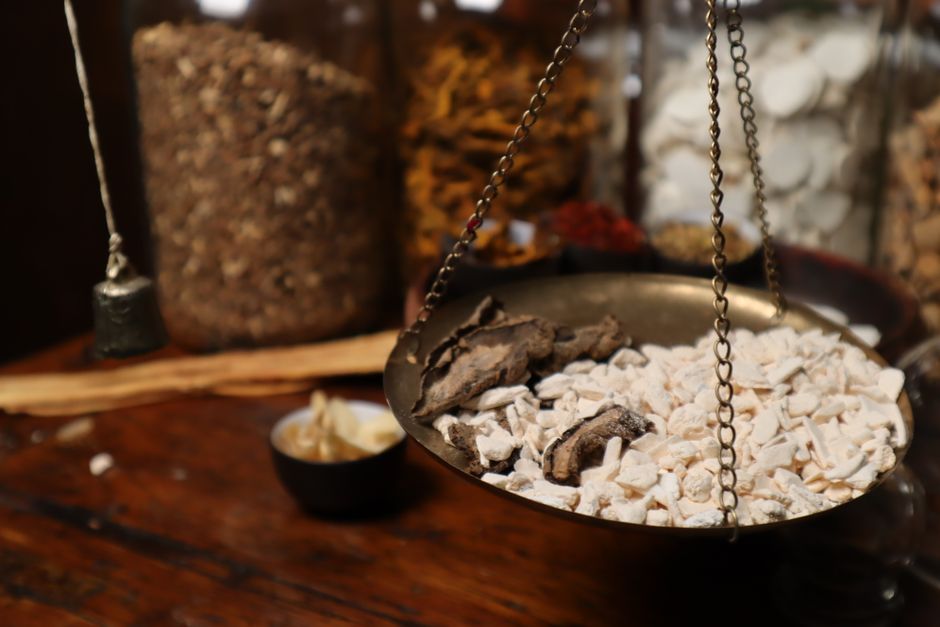
Native to the arid regions of India, the Mediterranean basin, and parts of North Africa, Withania somnifera belongs to the Solanaceae family — the same plant family that includes everyday foods like tomatoes, potatoes, and eggplants. Despite these humble botanical relatives, ashwagandha has carved out a distinct identity in pharmacological research thanks largely to its unusual chemical profile.
The plant grows as a short woody shrub rarely exceeding a meter in height, producing small greenish-yellow flowers and red berries that resemble miniature tomatillos. Its Sanskrit name — loosely interpreted as smell of a horse — references both the root’s pungent, earthy aroma and an ancient belief that consuming it could transfer the stamina and virility of a stallion. Modern biochemistry has replaced that metaphor with a more precise explanation: a dense concentration of steroidal lactones called withanolides that interact with multiple physiological systems simultaneously.
A Closer Look at the Plant’s Bioactive Chemistry
Ashwagandha’s broad therapeutic profile is not the product of a single compound but rather a synergistic network of molecules working across overlapping biological pathways. Identifying these constituents helps explain why researchers across endocrinology, neuroscience, and immunology have all found reasons to study the same plant.

- Withanolides: The primary active class — steroidal lactones that regulate inflammatory signaling, protect neurons from oxidative damage, and modulate immune activity. Standardized extracts are typically calibrated to contain between 2.5% and 5% withanolides to ensure batch consistency.
- Somniferine and Withanine (Alkaloids): These nitrogen-containing compounds contribute sedative and mild anxiolytic effects, partially explaining the herb’s traditional use as a sleep aid.
- Sitoindosides: A subgroup of withanolide-related compounds with demonstrated neuroprotective properties in preclinical models of cognitive decline.
- Saponins: Glycosidic molecules that support cardiovascular function and may improve the absorption efficiency of co-administered compounds.
- Iron and Trace Minerals: The root contains bioavailable iron, historically making it a go-to remedy for fatigue linked to nutritional deficiencies.
- Polyphenols and Flavonoids: Antioxidant molecules that reduce systemic oxidative stress by neutralizing free radicals generated during inflammation or intense physical exertion.
It is worth noting that compound concentrations shift depending on cultivation geography, harvest timing, plant part selected, and processing methodology. A root extract grown in Rajasthan and dried at low temperatures will differ chemically from a leaf extract produced through solvent extraction in a commercial facility — a distinction that matters enormously when interpreting research findings.
What Controlled Trials Actually Show
Separating verified clinical outcomes from marketing claims requires looking directly at the trial data. Ashwagandha is relatively unusual among herbal supplements in that it has been subjected to multiple randomized, double-blind, placebo-controlled trials — the gold standard of clinical evidence.
The Stress Hormone Connection
The most replicated finding in ashwagandha research involves its measurable impact on cortisol — the glucocorticoid hormone released by the adrenal glands during stress activation. In a frequently cited trial published in the Indian Journal of Psychological Medicine, participants receiving 300 mg of standardized root extract twice daily for 60 days showed a 27.9% drop in serum cortisol compared to placebo recipients. Stress perception scores measured by validated instruments like the Perceived Stress Scale dropped in parallel.
Mechanistically, researchers attribute this effect to withanolide-driven modulation of the hypothalamic-pituitary-adrenal (HPA) axis — the three-gland hormonal cascade that initiates and sustains the body’s stress response. Rather than simply blocking cortisol release at one point, ashwagandha appears to recalibrate sensitivity across multiple nodes of this axis, reducing the overall amplitude of the stress response without eliminating it entirely.
Anxiety Reduction Beyond Placebo
Anxiety outcomes in ashwagandha trials have been assessed using tools including the Hamilton Anxiety Rating Scale, the General Health Questionnaire, and the Depression Anxiety Stress Scale. Across studies involving both clinically anxious adults and healthy individuals under occupational stress, supplementation periods of eight to twelve weeks consistently produced statistically significant reductions in anxiety scores compared to placebo groups.
For those looking to take the next step, Heal your past, design your future is a resource worth exploring.
For those looking to take the next step, Become an Ultimate Master of your life is a resource worth exploring.
The proposed mechanisms extend beyond cortisol suppression. Ashwagandha alkaloids appear to interact with GABA-A receptors — the same inhibitory receptors targeted by benzodiazepine medications — producing a calming effect without the sedation or dependency risk associated with pharmaceutical anxiolytics. Additionally, reductions in pro-inflammatory cytokines like interleukin-6 may contribute, given the established bidirectional relationship between neuroinflammation and anxiety disorders.
Sleep Architecture and Recovery
The species name somnifera — Latin for sleep-bearing — reflects a traditional application that modern polysomnography studies have begun to validate. A 2019 randomized trial published in PLOS ONE involving 60 adults with insomnia found that 300 mg of ashwagandha root extract taken twice daily for ten weeks significantly improved sleep onset latency, total sleep time, sleep efficiency, and morning alertness ratings compared to placebo. Participants with clinically diagnosed insomnia showed larger improvements than those with subclinical sleep complaints, suggesting a dose-response relationship with baseline severity.
The sedative alkaloids somniferine and withanine are considered primary contributors here, alongside the general reduction in evening cortisol that allows the nervous system to transition more readily into sleep-preparatory states.
Muscle Strength and Athletic Endurance
Sports science has taken increasing interest in ashwagandha as a non-prohibited ergogenic aid. A double-blind trial conducted at the International Institute of Sports Sciences in Pune, India, assigned resistance-trained men to either 300 mg of ashwagandha extract or placebo twice daily across an eight-week strength training program. The supplementation group recorded significantly greater gains in bench press strength, leg extension strength, and muscle recovery speed, alongside a 27.5% increase in testosterone levels and a notable reduction in exercise-induced muscle damage markers.
Unlike anabolic steroids, ashwagandha does not introduce exogenous hormones but instead appears to support endogenous testosterone production — likely through a combination of HPA axis modulation, reduced oxidative stress in testicular tissue, and luteinizing hormone stimulation.
Cognitive Performance and Neuroprotection
Emerging research positions ashwagandha as a potential cognitive enhancer, particularly for memory consolidation and executive function under stress. A randomized trial published in the Journal of Dietary Supplements found that healthy adults taking 300 mg of root extract twice daily for eight weeks outperformed placebo recipients on tests of immediate and general memory, processing speed, and sustained attention. Animal studies using sitoindosides have shown partial reversal of scopolamine-induced memory impairment, pointing toward cholinergic pathway involvement as a possible mechanism.
Hormonal and Thyroid Considerations
Ashwagandha’s influence on thyroid function has produced some of the more nuanced findings in the literature. A small but well-designed 2018 trial found that adults with subclinical hypothyroidism who supplemented with 600 mg of root extract daily for eight weeks showed statistically significant increases in T3 and T4 thyroid hormone levels along with a reduction in thyroid-stimulating hormone (TSH). While these results are promising for individuals with underactive thyroid function, they simultaneously raise caution flags for those with hyperthyroidism or those already stabilized on thyroid hormone replacement therapy, in whom further stimulation could prove destabilizing.
Navigating Supplement Forms and Quality Differences
Ashwagandha reaches consumers through several delivery formats, each with practical trade-offs worth considering before purchase.
- Standardized Root Extract Capsules: The format used in most clinical trials, offering precise dosing and guaranteed withanolide concentration. Look for products specifying at least 2.5% withanolides on the label.
- KSM-66 and Sensoril Extracts: Two proprietary branded extracts with their own published clinical trial portfolios. KSM-66 is derived exclusively from roots using a milk-based extraction process; Sensoril incorporates both root and leaf material and is standardized to higher withanolide percentages.
- Raw Root Powder: Less expensive but highly variable in potency. Suitable for traditional preparations like warm milk blends but less reliable for therapeutic dosing.
- Liquid Tinctures: Offer faster absorption but typically lower withanolide concentrations per serving than encapsulated extracts.
- Herbal Teas: Primarily useful for mild relaxation effects; withanolide delivery through hot water infusion is minimal compared to ethanolic or aqueous extracts.
Dosage Ranges and Timing Considerations
Clinical trials have used daily doses ranging from 300 mg to 600 mg of standardized extract, divided into one or two administrations. Most researchers recommend taking ashwagandha with meals to improve tolerability and absorption. For sleep-specific applications, evening dosing appears more effective. For stress and cognitive outcomes, morning and evening split dosing has shown the most consistent results. Effects are generally cumulative rather than immediate, with meaningful changes typically appearing after four to eight weeks of consistent use.
Who Should Exercise Caution
Despite its generally favorable safety profile in healthy adults, ashwagandha is not universally appropriate. The following groups should consult a qualified healthcare provider before beginning supplementation:
- Pregnant individuals: Animal studies have associated high-dose ashwagandha with uterine contractile activity, raising theoretical miscarriage risk. Human data is insufficient to establish safety.
- People with autoimmune conditions: Ashwagandha’s immune-stimulating properties could theoretically exacerbate conditions like lupus, rheumatoid arthritis, or multiple sclerosis.
- Those on thyroid medications: Given its thyroid-stimulating effects, concurrent use with levothyroxine or antithyroid drugs requires monitoring.
- Individuals taking sedatives or benzodiazepines: Additive CNS depression is a plausible concern given ashwagandha’s GABAergic activity.
- People with nightshade sensitivities: As a Solanaceae family member, ashwagandha may provoke reactions in individuals sensitive to related plants.
Situating Ashwagandha Within a Broader Wellness Strategy
Perhaps the most important clinical insight about ashwagandha is what it is not: a standalone solution. The trial populations showing the strongest benefits were typically engaged in structured exercise programs, maintaining reasonably consistent sleep schedules, and consuming adequate nutrition. Ashwagandha appears to amplify the returns on these foundational behaviors rather than substitute for them.
Think of it less like a pharmaceutical intervention and more like a physiological fine-tuning tool — one that helps the body respond more efficiently to the demands placed upon it. For someone already managing stress through behavioral strategies, adding a clinically validated ashwagandha extract may meaningfully accelerate progress. For someone relying on supplementation alone while neglecting sleep and movement, the benefits are likely to be modest at best.
Three thousand years of continuous use across multiple healing traditions is a meaningful signal. The growing volume of controlled trial data confirming specific mechanisms and measurable outcomes makes that signal considerably harder to dismiss.


 UACE UNEB SAMPLE PAPERS 2026Advanced Secondary
  ADVANCED LEVEL BIOLOGY, NEW CURRICULUM, SENIOR FIVEAdvanced Secondary,Biology
  Command Your Timeline: Heal the Past, Design Your FutureIntelligence,Skills Development
  SHAPTA MOCKS 2024
 Ultimate Me: Unlock Your Ultimate Potential & Energy HealingIntelligence,Skills Development
 What is ChatGPT?General
 Elderberry: The Wildcrafted Herb That Fights Illness NaturallyGeneral
 Elderberry: The Wildcrafted Herb That Heals NaturallyGeneral
 Friday Shutdown Routine That Replaced My Sunday Reset for GoodGeneral
 Turmeric: The Golden Herb That Heals From the Inside OutGeneral
 Turmeric: The Golden Herb That Heals From the Inside OutGeneral
 Best Free AI Voice Tools Available Right Now in 2025General
 Minecraft Quests & Ugandan Curriculum: Learn Through GamingGeneral
- Uganda Schools on the Brink: The Human Cost of Aid Cuts 2026General
 CapCut AI Ad Test: Is It Fast or Just Flashy?General
 Turmeric: The Golden Herb That Heals From the Inside OutGeneral
 KAKURU BENARDSample Activity of Integration on Forests, Forest resources and Forestry in Africa
- KAKURU BENARDSample Activity of Integration on Trade within and outside East Africa
 Babirye SandraO-LEVEL ENTREPRENUERSHIP,PETTY CASHBOOK ASSIGNMENT
- Babirye SandraO-LEVEL ENTREPRENUERSHIP,PETTY CASHBOOK ASSIGNMENT
- Babirye SandraO-LEVEL ENTREPRENUERSHIP,PETTY CASHBOOK ASSIGNMENT

0 responses on "Ashwagandha: The Ancient Herb That Heals Body and Mind"